

 English
 русский
 Español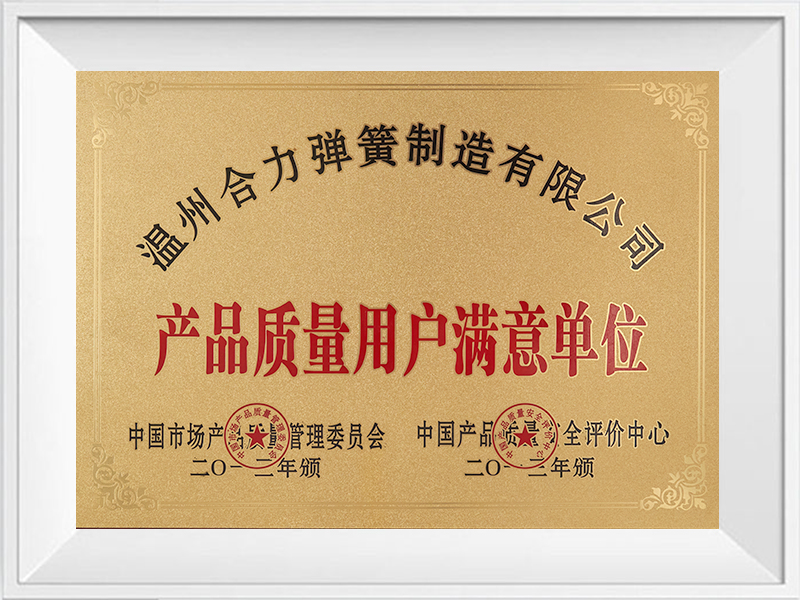
Limited installation space can complicate spring design, particularly in machinery that requires controlled movement, substantial ...
Automotive Wave Springs Exporters
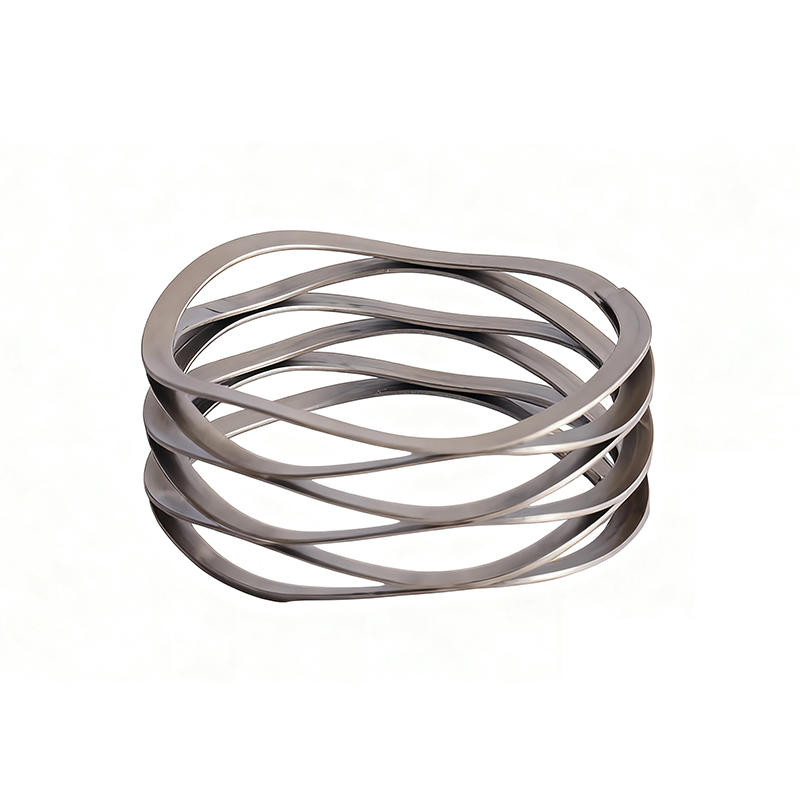
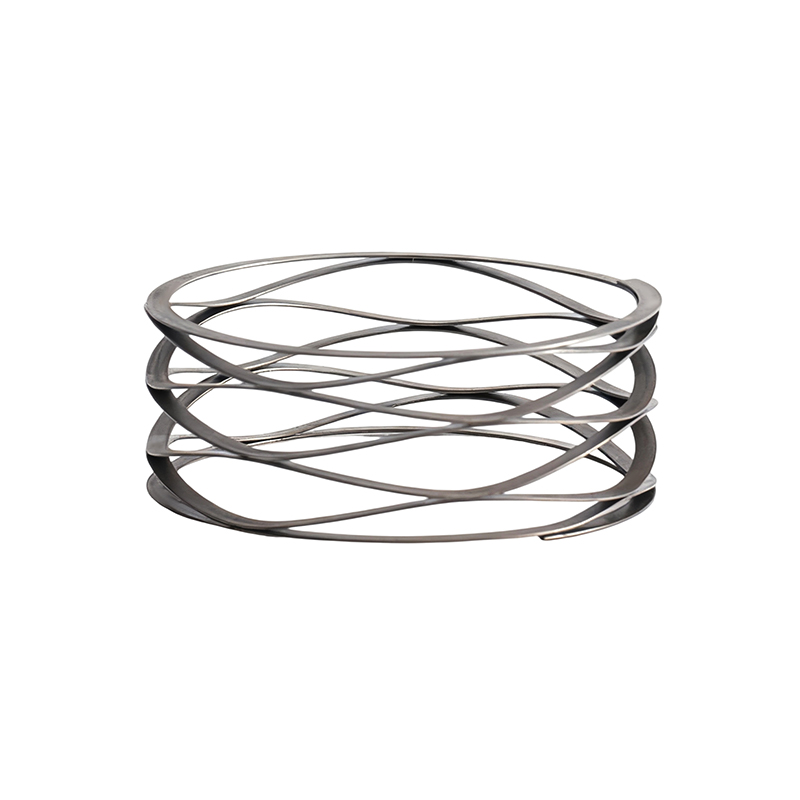
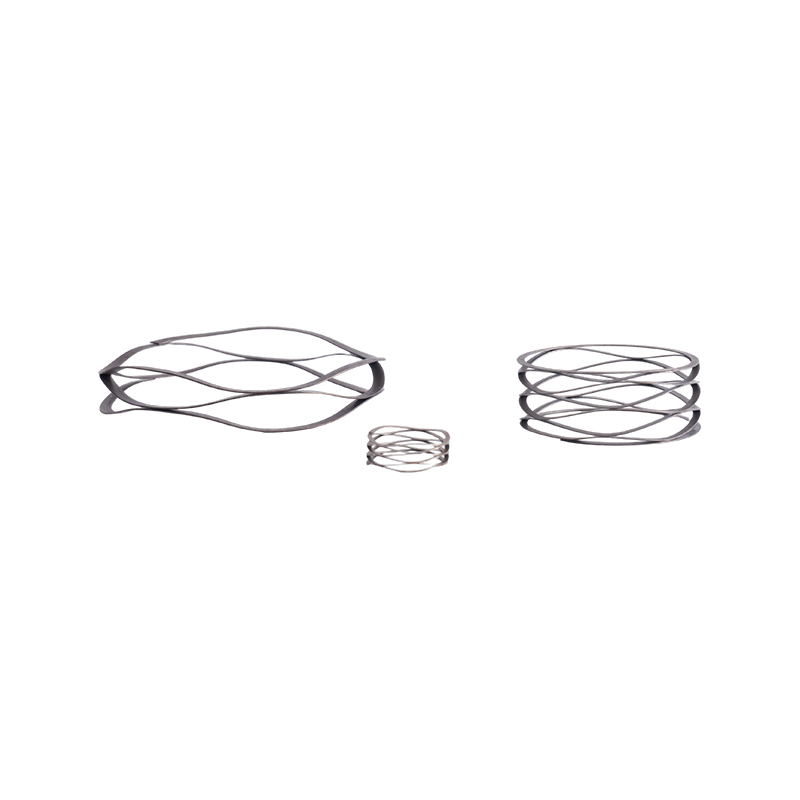
A wave spring, also known as a coiled wave spring or simply a wave spring, is a thin, ring-shaped spring with multiple alternating crests and valleys. It provides flexible spring force within a compact installation space, meeting the application requirements of small deflection, minimal space, and high load. It is an efficient alternative to traditional helical compression springs.
How It Works:
The working principle of a wave spring is similar to that of a compression spring; it resists axial compressive forces. When subjected to an axial load, the crests and valleys flatten, absorbing energy and generating a counteracting force. Once the external force is removed, the spring returns to its original shape due to the material's elasticity.
Key Features:
Space Saving: Its greatest advantage. It can save up to 50% of space compared to coil springs within the same installation space (bore and shaft diameter).
Uniform Load Distribution: Provides even spring force and a flat contact surface, helping to reduce wear on the housing bore or shaft.
Lightweight: Manufactured from flat wire stock, making it lighter than comparable coil springs.
Pre-load Capability: Can provide small pre-load forces, commonly used to eliminate axial play (endplay) in bearings or transmission components.
Variable Stiffness Design: Stiffness (linear or non-linear) can be tailored by changing parameters like the number of waves and wave height.
Common Applications:
Wave springs are widely used in fields requiring precision control, compact space, and lightweight design:
Bearing Pre-load: A classic application, used in precision machine tools, automotive transmissions, etc., to eliminate bearing axial play.
Aerospace: Where space and weight requirements are extremely high.
Medical Devices: In various precision instruments and equipment.
Electronics: Hard disk drives, connectors.
Valves and Pumps: Used as seals or to provide pre-load.
| Project | Size | Custom made |
| Material | Spring steel (SWC), piano wire (SWP), stainless steel (SUS), mild steel, phosphor bronze, 60Si2Mn, 55CrSi, T9A, A3, titanium alloy, nickel-plated wire, galvanized wire, tinned wire, enameled wire | |
| Surface treatment | Galvanizing, nickel plating, anodizing, black oxidation, electrophoresis, power coating, gold plating, silver plating, tin plating, paint, Chorme, phosphate, Dacromet, oiling, copper plating, sandblasting, passivation, polishing, etc. | |
| Package | PE bags, cartons, pallets, customized according to customer needs | |
| Application | Automotive hardware accessories, electrical equipment, electronic products, medical equipment, fitness equipment parts, industrial equipment, mechanical parts, office equipment, children's toys, etc. | |
| Experience | Heli Spring has 31 years of experience in spring and stamping manufacturing | |
-
×
Wave Springs
Contact UsProject Size Custom made Material Spring steel (SWC), piano wire (SWP), stainless steel (SUS), mild steel, phosphor bronze, 60Si2Mn, 55CrSi, T9A, A3, titanium alloy, nickel-plated wire, galvanized wire, tinned wire, enameled wire Surface treatment Galvanizing, nickel plating, anodizing, black oxidation, electrophoresis, power coating, gold plating, silver plating, tin plating, paint, Chorme, phosphate, Dacromet, oiling, copper plating, sandblasting, passivation, polishing, etc. Package PE bags, cartons, pallets, customized according to customer needs Application Automotive hardware accessories, electrical equipment, electronic products, medical equipment, fitness equipment parts, industrial equipment, mechanical parts, office equipment, children's toys, etc. Experience Heli Spring has 31 years of experience in spring and stamping manufacturing -
-
×
Wave Springs
Contact UsProject Size Custom made Material Spring steel (SWC), piano wire (SWP), stainless steel (SUS), mild steel, phosphor bronze, 60Si2Mn, 55CrSi, T9A, A3, titanium alloy, nickel-plated wire, galvanized wire, tinned wire, enameled wire Surface treatment Galvanizing, nickel plating, anodizing, black oxidation, electrophoresis, power coating, gold plating, silver plating, tin plating, paint, Chorme, phosphate, Dacromet, oiling, copper plating, sandblasting, passivation, polishing, etc. Package PE bags, cartons, pallets, customized according to customer needs Application Automotive hardware accessories, electrical equipment, electronic products, medical equipment, fitness equipment parts, industrial equipment, mechanical parts, office equipment, children's toys, etc. Experience Heli Spring has 31 years of experience in spring and stamping manufacturing -
-
×
Wave Springs
Contact UsProject Size Custom made Material Spring steel (SWC), piano wire (SWP), stainless steel (SUS), mild steel, phosphor bronze, 60Si2Mn, 55CrSi, T9A, A3, titanium alloy, nickel-plated wire, galvanized wire, tinned wire, enameled wire Surface treatment Galvanizing, nickel plating, anodizing, black oxidation, electrophoresis, power coating, gold plating, silver plating, tin plating, paint, Chorme, phosphate, Dacromet, oiling, copper plating, sandblasting, passivation, polishing, etc. Package PE bags, cartons, pallets, customized according to customer needs Application Automotive hardware accessories, electrical equipment, electronic products, medical equipment, fitness equipment parts, industrial equipment, mechanical parts, office equipment, children's toys, etc. Experience Heli Spring has 31 years of experience in spring and stamping manufacturing -
About
Wenzhou Heli Spring Manufacturing Co., Ltd.
Wenzhou Heli Spring Manufacturing Co., Ltd. established in 1992, is a China Wave Springs Manufacturer and Custom Wave Springs Factory. It boasts over 8,000 square meters of standardized factory space and is equipped with over 200 pieces of modern production and testing equipment.
Our main products include low-voltage electrical springs, high-voltage electrical springs, pneumatic springs, extension springs, automotive springs, wire-formed springs, and cage springs, which are widely used in various industries, including electrical, automotive, hydraulic, electronic, and mechanical.
To accelerate industrial upgrading and market expansion, the company established "Kunshan Heli Spring Manufacturing Co., Ltd." in Kunshan, Jiangsu in 2005, covering 40 mu (approximately 1,000 acres), forming a coordinated manufacturing network for north-south development.
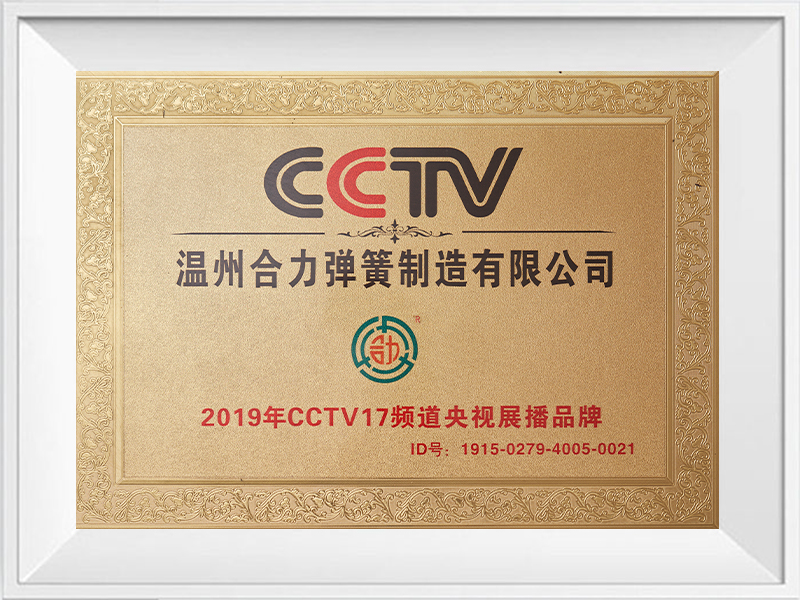
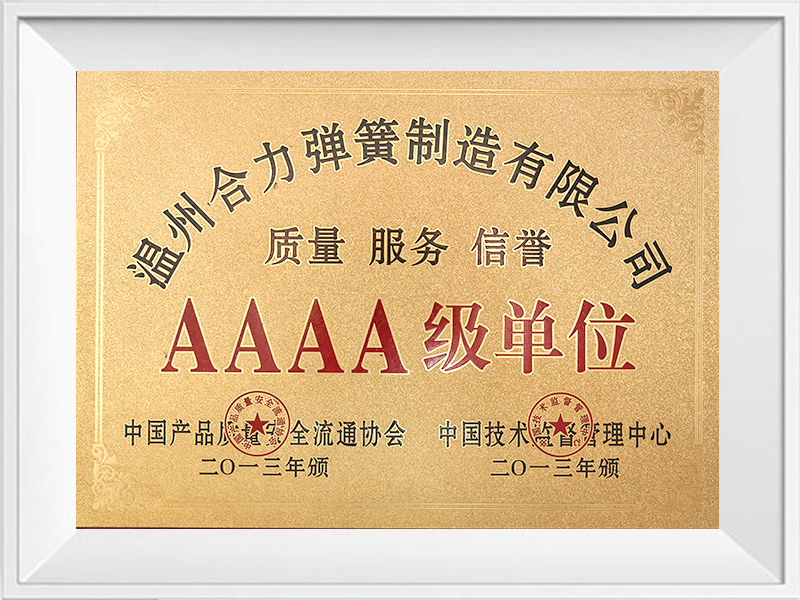
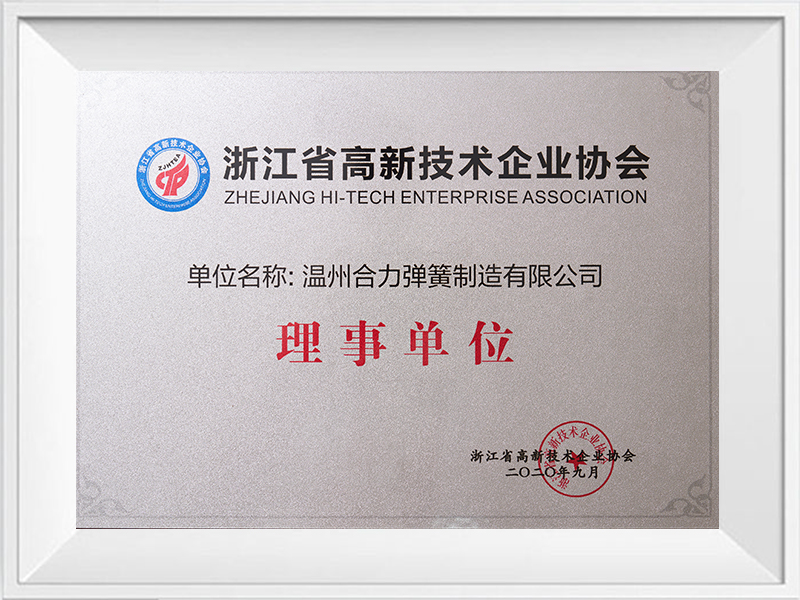
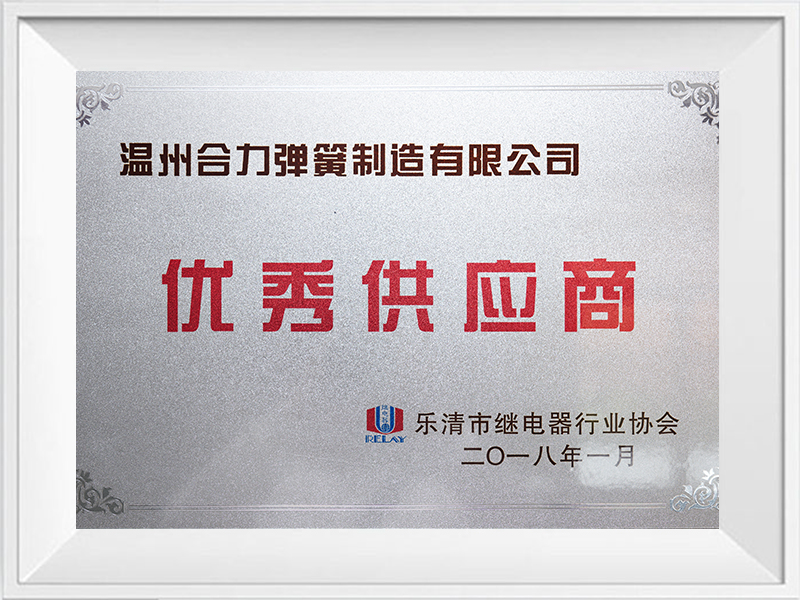
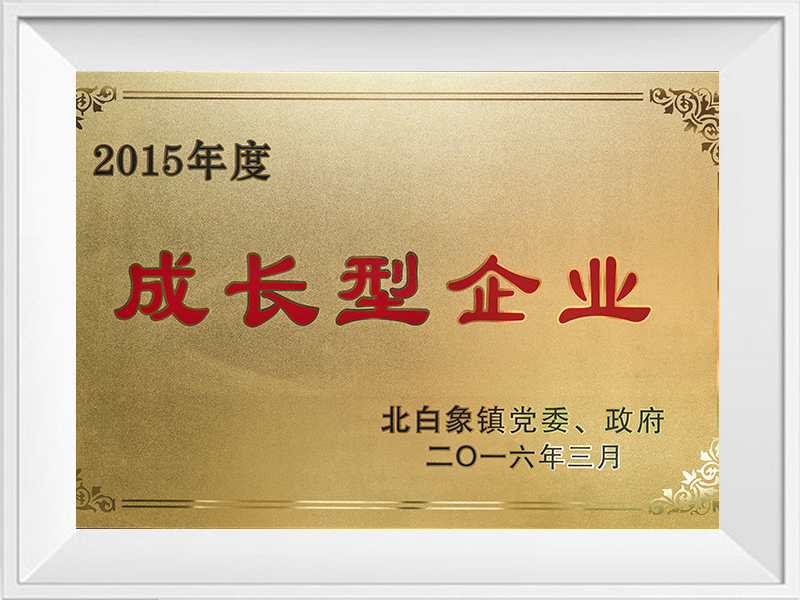
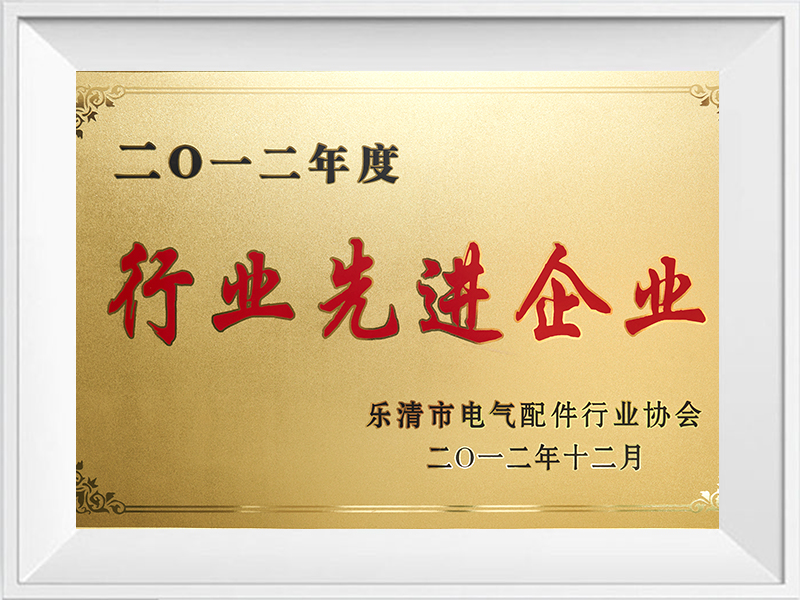
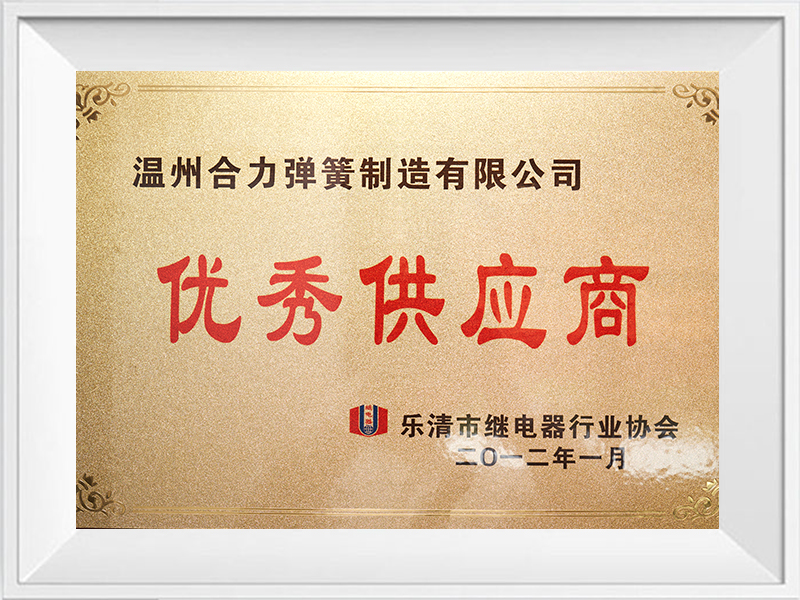
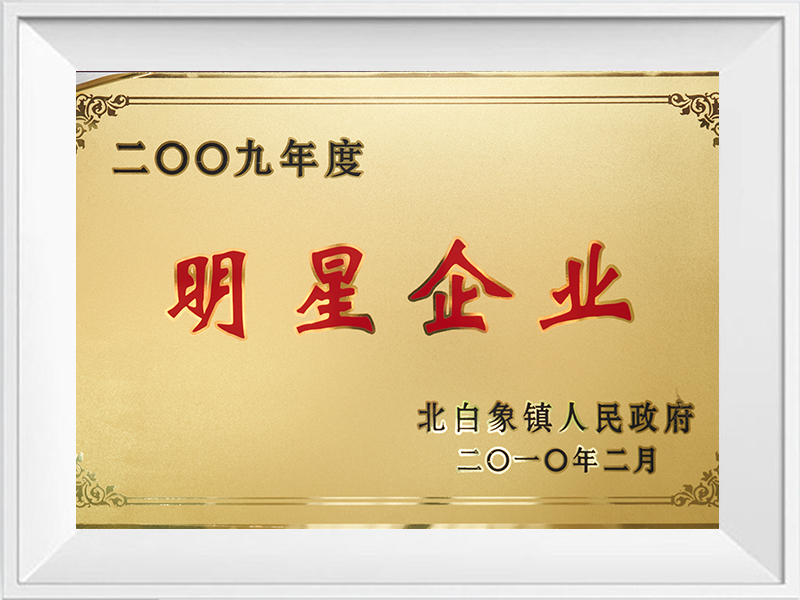
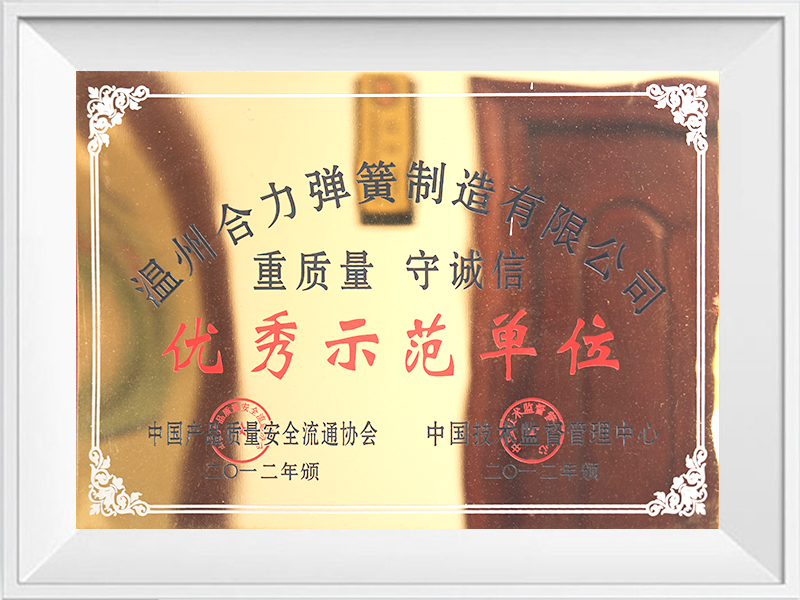
Heli Spring is ISO 9001 and IATF16949 certified, and has been awarded numerous honors, including "National High-Tech Enterprise," "Zhejiang Province Science and Technology Enterprise," and "Industry Advanced Enterprise." Leveraging over 30 years of expertise in spring manufacturing, Heli Spring continuously advances traditional manufacturing technology. Combining automated production lines, CNC spring coiling equipment, heat treatment systems, and comprehensive quality control systems, we provide reliable, high-performance spring products and customized solutions for various industries.
During the spring manufacturing process, we utilize the latest CNC machining equipment and precision manufacturing techniques, rigorously controlling every production step to ensure dimensional accuracy, consistency, and consistent quality.
Certificate of Honor
News & Blogs
-
-
Automotive engineering projects rarely remain unchanged throughout development. A revised assembly layout, a different operating l...
-
Moving from a spring prototype to a production order requires more than checking whether the sample fits into an assembly. Buyers ...
-
Heavy mechanical assemblies often demand considerable force from a relatively compact component. A High Load Capacity Compression ...
Wave Springs Industry Knowledge Extension
Forging Process and Manufacturing Procedures for Automotive Wave Springs
The production of automotive wave springs involves several distinct manufacturing stages, beginning with material preparation and concluding with quality verification. Unlike traditional forging operations that involve heated metal forming, wave spring manufacturing typically employs cold forming techniques at room temperature.
The initial step involves selecting appropriate flat wire material, typically spring steel with specific thickness and width dimensions determined by the spring's design requirements. This wire is precision-rolled to achieve the necessary cross-sectional profile, with rectangular or square sections being preferred for their load-bearing capacity, though circular sections are also available. The material is then fed into specialized CNC coiling or stamping equipment capable of forming the characteristic wave pattern.
A significant innovation in wave spring manufacturing involves universal die assemblies that utilize removable wave-forming blocks. These blocks feature working surfaces machined as conical segments and are secured to arcuate support plates. During forming, the blocks of one support are positioned opposite the spaces between blocks of the opposing support, creating the wave pattern as the material is deformed between them. This approach enables rapid prototyping and design modifications without the lengthy lead times associated with dedicated tooling.
The forming process applies sufficient pressure to cold work the material beyond its elastic region, with typical forces around 2750 pounds for automotive components. The material is held under constant load for a minimum of thirty seconds to achieve plastic deformation, then relaxed and repressed to achieve the desired wave profile while minimizing springback effects. Following forming, heat treatment is applied to enhance strength and elasticity, after which surface finishing operations, such as passivation or coating, provide corrosion resistance. Final inspection includes dimensional verification and load testing to ensure compliance with specifications such as DIN EN 15800.
Multi-Wave Disc Spring: Performance Differences between Specifications
Multi-wave disc springs, also referred to as multi-turn wave springs, exhibit performance variations based on several design parameters. These springs consist of multiple waves per turn, typically formed from a single continuous filament of flat wire, resulting in uniform diameters and wave heights.
The number of waves per turn directly affects spring rate and load capacity. Springs with higher wave counts generally provide lower spring rates but greater deflection capability for a given axial space. Conversely, fewer waves per turn produce higher spring rates with reduced deflection ranges. This relationship allows designers to select specifications that match specific force-deflection requirements.
Material thickness and radial wall dimensions constitute another critical specification affecting performance. Thicker materials yield higher load capacities but require greater forming forces and may have reduced fatigue life if not properly processed. The width of the material cross-section influences both spring rate and stability under load, with wider sections providing greater resistance to buckling.
The number of turns in multi-wave springs significantly impacts load characteristics. Each additional turn increases the total available deflection while maintaining similar spring rates per turn. Nested configurations, where multiple turns are coiled in parallel, enhance load capacity proportionally with each added turn, making them suitable for high static load applications where space is limited. Single-turn designs offer simplicity and compactness, while multi-turn configurations provide smoother load-deflection behavior and higher energy storage capacity.
Multi-Turn Wave Spring: Fluctuations Affecting Price
The pricing of multi-turn wave springs experiences fluctuations driven by multiple factors across the supply chain and manufacturing process. Material costs represent a primary variable, with significant differences between carbon steel and alloy alternatives. Stainless steel springs typically cost approximately twice as much as equivalent carbon steel components due to their chromium and nickel content, which accounts for 16-18% and 6-8% of material composition, respectively.
Superalloys, including Inconel and Elgiloy, command premium pricing due to their specialized properties for high-temperature or corrosive environments. These materials are specified when operating conditions exceed the capabilities of standard steels, and their higher material costs directly translate to increased spring prices. Copper alloys such as beryllium copper also carry cost premiums for applications requiring electrical conductivity.
Manufacturing complexity influences pricing significantly. Edge-coiled wave springs require precision CNC equipment and skilled setup, while stamped versions may offer cost advantages for high-volume production but involve dedicated tooling expenses. Laser-cut and additive manufacturing processes enable complex geometries but typically result in higher unit costs, particularly for small production runs. Gross margins across the industry range from 25% to 45%, with manufacturers offering customized geometries or hybrid materials maintaining higher profitability due to technical barriers and certification requirements.
If you are interested in our products, please consult us
CONTACT DETAIL
- Email: helispring@163.com
- Tel: +86-18767775615
- Address: Jinlu Industrial Zone, Beibaixiang Town, Yueqing, Wenzhou City, Zhejiang Province, China.
PRODUCTS
MOBILE TEMERNAL
Wenzhou Heli Spring Manufacturing Co., Ltd. ALL RIGHTS RESERVED.

Cheap Multi-Wave Disc Spring