

 English
 русский
 Español
Why Do Stainless Spiral Springs Resist Harsh Conditions
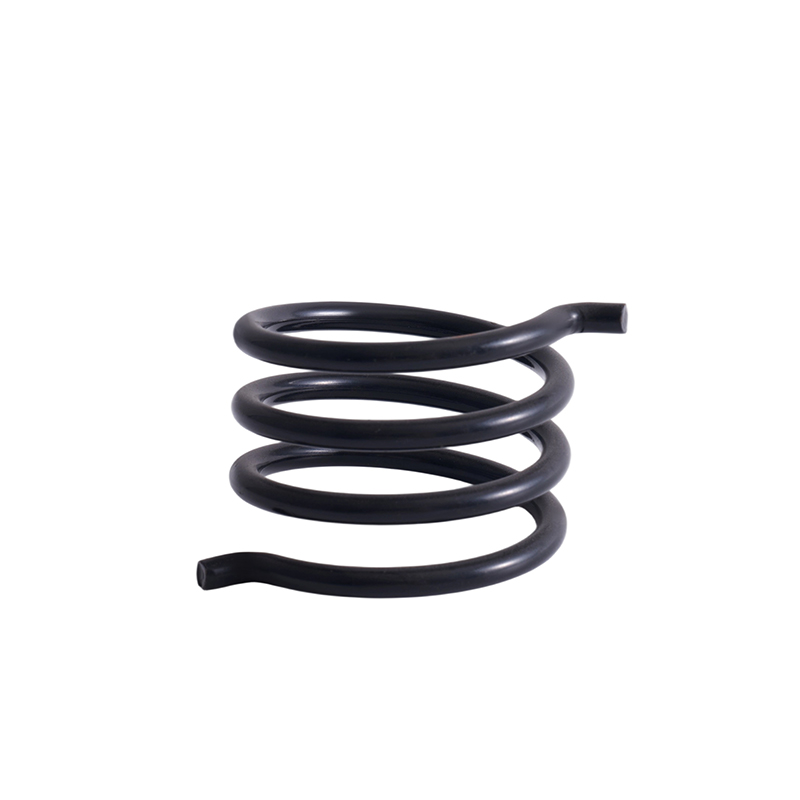
Industry News-Mechanical components used in demanding environments often face challenges from moisture, chemicals, temperature changes, and repeated loading. Springs are especially sensitive because they must maintain elastic force while experiencing continuous stress. A Stainless Steel Spiral Compression Spring is designed to handle these difficult conditions by combining corrosion-resistant materials with carefully controlled spring geometry.
Unlike ordinary steel springs that may require additional protection against oxidation, stainless steel spring materials contain chromium, which helps form a passive surface layer that improves resistance against corrosion. Common stainless spring grades such as 302, 304, and 316 are widely used because they provide a balance between mechanical strength and environmental resistance.
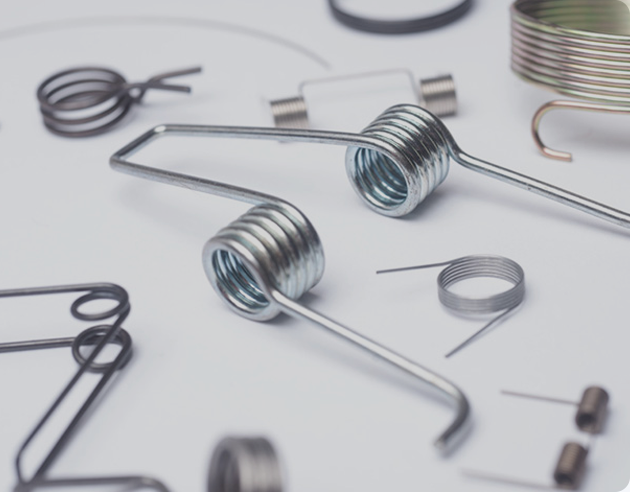
The Material Advantage Behind Stainless Spiral Springs
The ability of stainless spiral compression springs to perform in harsh conditions starts with their material composition. Stainless steel contains chromium and other alloying elements that improve surface stability and resistance to external damage.
- Chromium content: Creates a protective oxide film that helps reduce rust formation.
- Nickel addition: Improves toughness and helps maintain mechanical properties under changing environments.
- Molybdenum in 316 stainless steel: Provides enhanced resistance against chloride exposure and marine conditions.
- Cold working ability: Allows stainless spring wire to achieve suitable strength levels through controlled processing.
For applications exposed to saltwater, chemical vapors, or high humidity, stainless steel grades with stronger corrosion resistance are often considered. Grade 316 stainless steel is commonly used in marine and chloride-rich environments because of its improved resistance characteristics.
Common Stainless Steel Grades Used for Spiral Compression Springs
| Material Grade | Main Characteristics | Typical Applications |
| 302 Stainless Steel | Good strength, spring properties, general corrosion resistance | Electronic devices, industrial mechanisms, general mechanical parts |
| 304 Stainless Steel | Stable corrosion resistance and reliable elasticity | Outdoor equipment, food-related machinery, consumer products |
| 316 Stainless Steel | Higher resistance to salt and chemical exposure | Marine equipment, chemical systems, medical applications |
| 17-7 PH Stainless Steel | High strength and fatigue resistance after heat treatment | Aerospace and precision mechanical assemblies |
How Spiral Design Helps Springs Work Under Pressure
Material alone does not determine spring performance. The spiral structure of a compression spring controls how force is absorbed and released. Each coil works together to distribute external loads and provide controlled movement.
A Stainless Steel Spiral Compression Spring typically includes several important design elements:
- Wire diameter: Determines the spring’s load capacity and stiffness.
- Outer diameter: Controls installation compatibility and available space.
- Active coil number: Influences compression distance and spring rate.
- Free length: Defines the unloaded spring position before compression.
A well-designed spiral configuration allows stress to spread more evenly across the coils. This reduces the possibility of localized stress concentration during repeated compression cycles.
Why Stainless Springs Perform Well in Moisture and Chemical Environments
Many mechanical assemblies operate in places where exposure to water, cleaning agents, chemicals, or outdoor weather is unavoidable. Traditional carbon steel springs may require coatings or surface treatments, while stainless steel provides inherent corrosion resistance through its alloy structure.
A Stainless Steel Spiral Compression Spring is commonly used in environments such as:
- Marine equipment: Springs exposed to seawater spray and humid coastal environments.
- Food processing machinery: Components requiring clean surfaces and resistance to frequent washing.
- Medical devices: Applications requiring corrosion resistance and stable mechanical movement.
- Outdoor equipment: Springs working under rain, temperature changes, and humidity.
Stainless compression springs are valued in these industries because they maintain mechanical performance while reducing the impact of environmental exposure.
Temperature Resistance and Mechanical Stability
Harsh conditions are not limited to corrosion. Many springs operate under temperature fluctuations that can influence elasticity, strength, and dimensional stability.
Certain stainless steel spring materials can maintain useful performance across wide temperature ranges. For example, 304 stainless steel compression springs are commonly used in applications requiring resistance to both low and elevated temperatures.
Important Temperature-Related Factors
- Thermal expansion: Spring dimensions may change slightly under temperature variation.
- Material strength retention: Alloy selection affects performance under heat exposure.
- Stress relaxation: Proper material processing helps maintain spring force over time.
Manufacturing Details That Affect Stainless Spring Reliability
The production process has a direct influence on the final performance of stainless spiral springs. Precision forming, heat treatment, and surface control all contribute to spring consistency.
| Manufacturing Process | Impact on Spring Function |
| Precision Coiling | Improves dimensional accuracy and consistent spring rate |
| Stress Relieving | Helps reduce internal stress after forming |
| Surface Treatment | Supports cleanliness and corrosion resistance |
| Load Testing | Verifies compression force and mechanical behavior |
Surface treatments such as passivation can further improve stainless spring cleanliness by removing surface contaminants and supporting the formation of a stable protective oxide layer.
Choosing the Right Stainless Spiral Compression Spring Design
A suitable spring design depends on more than corrosion resistance. Engineers need to evaluate load requirements, available installation space, operating frequency, temperature range, and exposure conditions.
- Light-load applications: Smaller wire diameters may provide sufficient movement and flexibility.
- Heavy-load applications: Larger wire sizes and stronger stainless grades may be required.
- High-cycle applications: Fatigue resistance becomes an important design consideration.
- Corrosive environments: Material grade selection plays a key role in service stability.
A Stainless Steel Spiral Compression Spring resists harsh conditions because of the combined advantages of stainless alloy composition, spiral geometry, and controlled manufacturing processes. Its ability to maintain elastic force while facing moisture, chemicals, and temperature changes makes it suitable for many demanding mechanical systems.
Understanding the connection between material properties and spring design helps engineers create components that deliver stable performance in challenging environments. With the right stainless steel grade, dimensions, and processing methods, spiral compression springs can provide reliable mechanical support across industrial, medical, marine, and precision equipment applications.
Related products
If you are interested in our products, please consult us
CONTACT DETAIL
- Email: helispring@163.com
- Tel: +86-18767775615
- Address: Jinlu Industrial Zone, Beibaixiang Town, Yueqing, Wenzhou City, Zhejiang Province, China.
PRODUCTS
MOBILE TEMERNAL
Wenzhou Heli Spring Manufacturing Co., Ltd. ALL RIGHTS RESERVED.

China Customized Spring Manufacturer