

 English
 русский
 Español
How Does Wire Forming Shape Spring Performance
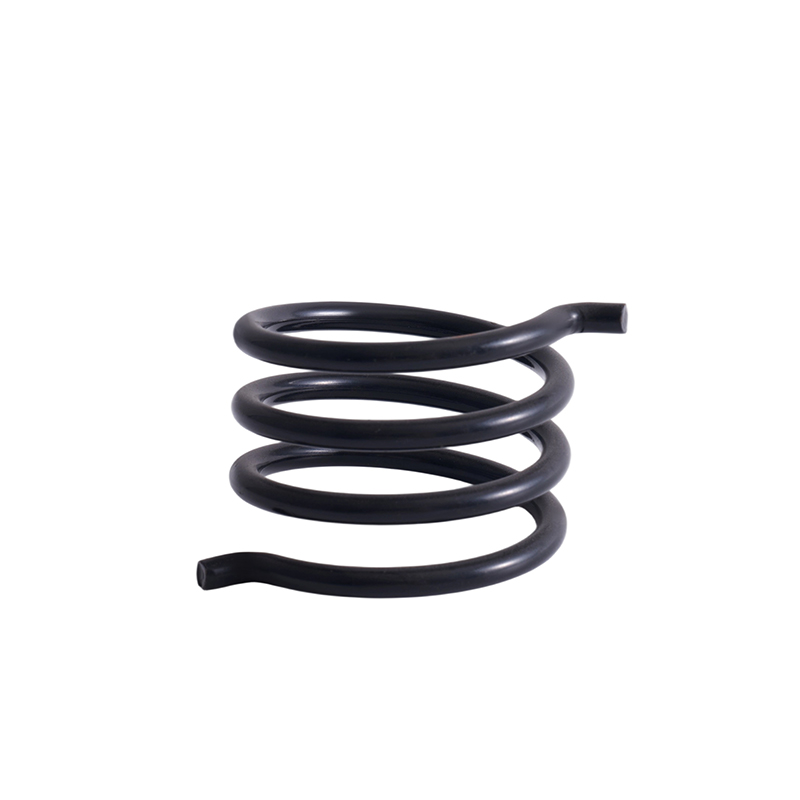
Industry News-A spring may look like a simple metal component, but its performance depends on many engineering details hidden inside the manufacturing process. The transformation of straight wire into a functional spring involves precise control of bending force, coil geometry, material behavior, and stress distribution. For applications requiring reliable mechanical movement, the design of a Carbon Steel Wire Forming Spring plays an important role in determining load capacity, flexibility, and service stability.
Wire forming is not only a shaping process. It changes how the wire responds to compression, tension, and repeated movement. The final spring characteristics are influenced by wire diameter, forming method, heat treatment, and surface condition. Carbon and alloy spring wires are commonly manufactured according to industry specifications that define chemical composition, mechanical properties, and testing requirements.
The Relationship Between Wire Forming and Spring Performance
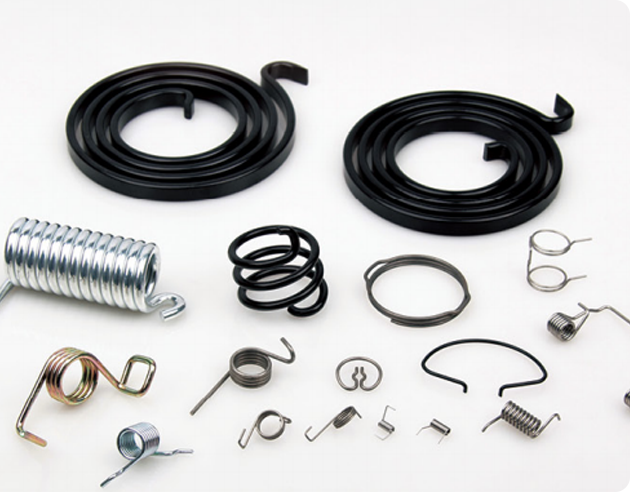
During wire forming, straight carbon steel wire is gradually transformed into a specific shape such as a coil, hook, loop, or customized profile. The forming process creates internal stresses that directly affect the spring’s behavior.
- Shape accuracy: Precise forming controls coil diameter, pitch, and overall dimensions, allowing the spring to fit correctly within mechanical assemblies.
- Force consistency: Uniform wire bending helps maintain stable spring force during repeated cycles.
- Stress distribution: Proper forming reduces uneven stress areas that may shorten working life.
- Elastic recovery: Controlled deformation allows the spring to return to its original position after loading.
A Carbon Steel Wire Forming Spring depends on the balance between material strength and controlled deformation. Excessive forming pressure may create unwanted stress concentration, while insufficient forming accuracy can result in inconsistent spring rates.
Key Forming Parameters That Influence Spring Quality
| Parameter | Effect on Spring Performance |
| Wire Diameter | Controls load capacity, stiffness, and resistance to deformation |
| Coil Diameter | Affects spring travel distance and available installation space |
| Pitch Distance | Influences compression movement and contact between coils |
| Forming Accuracy | Determines dimensional consistency and assembly compatibility |
| Material Condition | Impacts tensile strength, fatigue resistance, and elastic response |
Why Carbon Steel Is Widely Used for Wire Forming Springs
Carbon steel remains a popular material choice for mechanical springs because it provides a practical combination of strength, hardness, and elastic properties. The carbon content improves the material’s ability to withstand repeated loading while maintaining structural stability.
A typical Carbon Steel Wire Forming Spring may use materials such as high-carbon spring steel wire, depending on the required application. These wires can be supplied in cold-drawn or heat-treated conditions to achieve suitable mechanical characteristics.
- Material strength: Carbon steel provides high resistance against stretching and deformation.
- Mechanical reliability: Properly processed carbon steel springs maintain stable force output during repeated operation.
- Design flexibility: Different wire diameters and shapes can be produced for industrial, automotive, and equipment applications.
How Forming Methods Change Spring Characteristics
Different wire forming techniques create different performance results. Automated CNC spring machines are commonly used to produce complex wire shapes with accurate dimensions. These systems can control bending angles, coil positions, and forming sequences to achieve consistent production results.
The forming approach affects several technical factors:
- Cold forming: Suitable for many standard spring applications because it improves dimensional accuracy and creates work hardening effects.
- Hot forming: Applied to larger wire sizes where additional heat control helps achieve complex shapes.
- Precision forming: Used for components requiring strict tolerance control and repeatable force performance.
Research on spring manufacturing shows that forming changes material stress conditions and influences final spring geometry, including spring-back behavior after forming.
Applications Where Wire Forming Accuracy Matters
A wire formed spring is used in many industries because it can provide controlled movement, vibration absorption, and mechanical force. The forming process becomes especially important in applications where space limitations and repeated operation are major concerns.
| Application Area | Common Spring Requirements |
| Automotive Components | Stable force output, vibration resistance, repeated cycling capability |
| Industrial Equipment | High load support, dimensional accuracy, long operating periods |
| Electrical Devices | Compact size, precise movement, reliable contact pressure |
| Mechanical Assemblies | Accurate fitting, controlled compression or tension force |
Factors That Affect the Service Performance of Wire Formed Springs
Even with strong carbon steel material, spring performance depends on the complete manufacturing process. Several factors should be considered during design and production.
Surface Condition and Stress Control
The surface of spring wire directly influences fatigue resistance. Small surface defects may become stress points during repeated movement. Processes such as surface inspection and controlled finishing help maintain reliable spring performance.
Heat Treatment and Material Stability
Heat treatment can adjust hardness and internal structure, helping the spring achieve the required balance between strength and flexibility. Incorrect heat treatment may reduce elasticity or increase the possibility of deformation.
Load Requirements and Working Environment
Engineers need to consider operating temperature, exposure conditions, load frequency, and available installation space. A spring designed for light mechanical movement may require different specifications compared with a heavy-duty industrial component.
Improving Spring Design Through Better Wire Forming Control
Modern spring design combines material knowledge with precise forming technology. Computer-controlled equipment allows manufacturers to create customized spring geometries while maintaining accurate dimensions.
For a Carbon Steel Wire Forming Spring, important design details include:
- Wire diameter selection according to required force.
- Coil geometry adjustment for available installation space.
- Stress analysis to prevent premature deformation.
- Testing procedures to verify load performance and durability.
Wire forming has a direct impact on how a spring performs throughout its working life. The shape created during forming determines force characteristics, dimensional accuracy, and mechanical response. A well-designed Carbon Steel Wire Forming Spring combines suitable material properties with controlled manufacturing processes to deliver dependable performance across different applications.
Understanding the connection between forming technology and spring behavior helps engineers develop components that match specific load requirements, operating conditions, and assembly needs. As spring applications continue to demand higher precision, wire forming remains a key factor in achieving consistent mechanical performance.
Related products
If you are interested in our products, please consult us
CONTACT DETAIL
- Email: helispring@163.com
- Tel: +86-18767775615
- Address: Jinlu Industrial Zone, Beibaixiang Town, Yueqing, Wenzhou City, Zhejiang Province, China.
PRODUCTS
MOBILE TEMERNAL
Wenzhou Heli Spring Manufacturing Co., Ltd. ALL RIGHTS RESERVED.

China Customized Spring Manufacturer