

 English
 русский
 Español
What Are the Considerations for Car Coil Springs Maintenance?
Industry News-Car coil springs play a vital role in the suspension system of a vehicle, providing the necessary support for weight distribution and handling. These springs are responsible for absorbing shock, maintaining tire contact with the road, and ensuring a smooth ride. Over time, coil springs can experience wear due to various factors such as load, driving conditions, and environmental influences. Regular maintenance and understanding the functions and performance of car coil springs are essential for maintaining vehicle safety and performance.
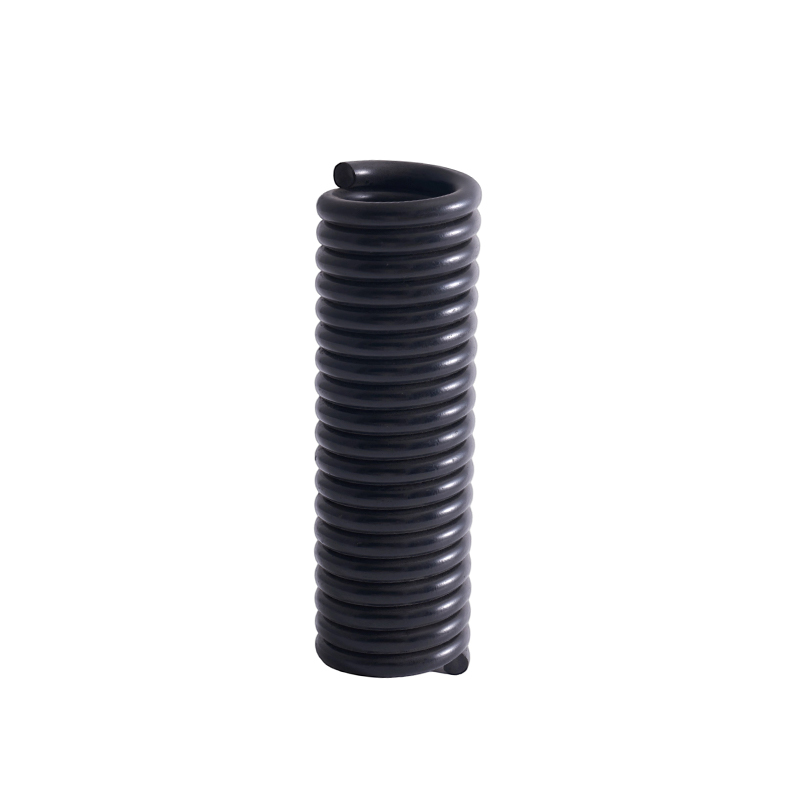
Maintenance and Replacement of Car Coil Springs
Car coil springs undergo significant stress and wear due to their role in absorbing shocks and supporting the vehicle's weight. The longevity of coil springs depends on several factors, including driving habits, road conditions, and environmental exposure. Regular maintenance and timely replacement of worn coil springs are necessary to ensure the vehicle's safety and ride comfort.
Inspection and Maintenance:
Routine inspections of car coil springs should be performed as part of the vehicle’s regular maintenance schedule. Look for signs of damage, such as cracks, rust, or uneven wear. If any of these signs are visible, it's important to address the issue immediately to prevent further damage to other suspension components. A visual inspection should be complemented by checking the vehicle's alignment and handling.
Replacement:
Coil springs should be replaced when they show signs of significant wear or if they fail to provide proper support. The replacement process typically involves lifting the vehicle, removing the damaged spring, and installing a new one. It’s important to replace coil springs in pairs (front or rear) to maintain balance and uniform suspension performance. If one spring fails, the opposite spring may also be under additional strain, increasing the risk of failure.
What Are the Functions of Electric Motor Springs?
Electric motor springs are essential components in electric motors and related machinery, playing a key role in supporting and ensuring the smooth functioning of the motor. These springs help maintain various mechanical functions within the motor, offering support and contributing to its performance. The following are the key functions of electric motor springs:
• Absorbing Vibrations and Shocks:
Electric motor springs absorb and mitigate vibrations and shocks caused by the rotation of the motor’s moving parts. By dampening these vibrations, the springs help reduce wear and tear on the motor, extending its lifespan and improving its overall efficiency.
• Supporting Moving Parts:
Electric motor springs are used to support the movement of components like the rotor and brushes. These springs ensure proper contact between moving parts, ensuring performance and preventing unnecessary friction that could cause damage.
• Maintaining Tension:
In many electric motors, springs are used to maintain a certain amount of tension on specific components. For example, in electric motors with brush systems, springs keep the brushes in contact with the commutator, ensuring consistent electrical conductivity and motor performance.
• Assisting with Force Control:
Springs in electric motors can also be used to control forces within the system, helping to regulate the motor's power output and ensuring that components operate within their specified limits.
• Preventing Component Wear:
By providing consistent pressure and ensuring proper alignment, electric motor springs prevent excessive wear on critical components, thus enhancing the durability of the motor.
What Are the Differences Between Front and Rear Coil Springs?
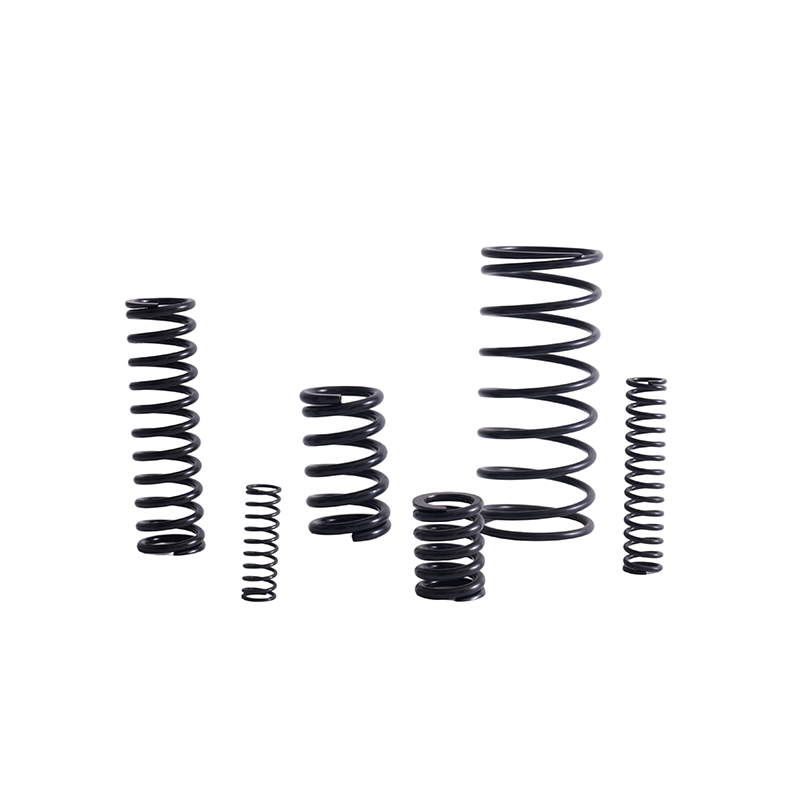
Car coil springs are vital components of a vehicle's suspension system, providing support and ensuring proper handling. While both front and rear coil springs serve similar functions, they are designed differently to accommodate the specific needs of the front and rear parts of the vehicle. Below are the key differences between front and rear coil springs:
Design and Strength:
Front coil springs are typically stronger and designed to handle more weight compared to rear coil springs. This is because the front of the vehicle typically bears more weight due to the engine and other components. As a result, front coil springs are generally made from thicker wire or have more coils to support the added weight.
Spring Rate:
The spring rate, or the amount of force required to compress the spring by a specific distance, differs between the front and rear springs. Front coil springs usually have a higher spring rate, providing greater support for the vehicle’s front end. In contrast, rear coil springs typically have a lower spring rate, as the rear of the vehicle bears less weight, and the spring needs to allow for more flexibility and smoother ride quality.
Functionality and Ride Comfort:
Front coil springs play a critical role in managing the vehicle's handling, steering, and braking. They are responsible for keeping the front tires in contact with the road. Rear coil springs, on the other hand, support the vehicle’s rear load and contribute to ride comfort, absorbing shocks from the rear axle.
Installation and Replacement:
Front and rear coil springs are installed and replaced differently due to their size and weight. Front coil springs often require more effort to replace due to the added strength required, while rear coil springs are typically easier to replace.
What Does Performance Testing of Car Coil Springs Include?
Performance testing of car coil springs is essential for ensuring that they function effectively and meet the required standards for safety and comfort. This process involves evaluating the spring's performance under various conditions to ensure it can withstand the stresses and loads it will experience during operation. Below is a breakdown of the key components of performance testing for car coil springs:
Testing Load Capacity and Strength:
One of the aspects tested is the spring's load capacity. This is done by applying a controlled force to compress the spring and measuring the amount of deflection that occurs. The spring’s strength is also assessed to determine how much weight it can support before reaching its limit or failing. This ensures that the coil spring is suitable for the specific vehicle type and weight distribution.
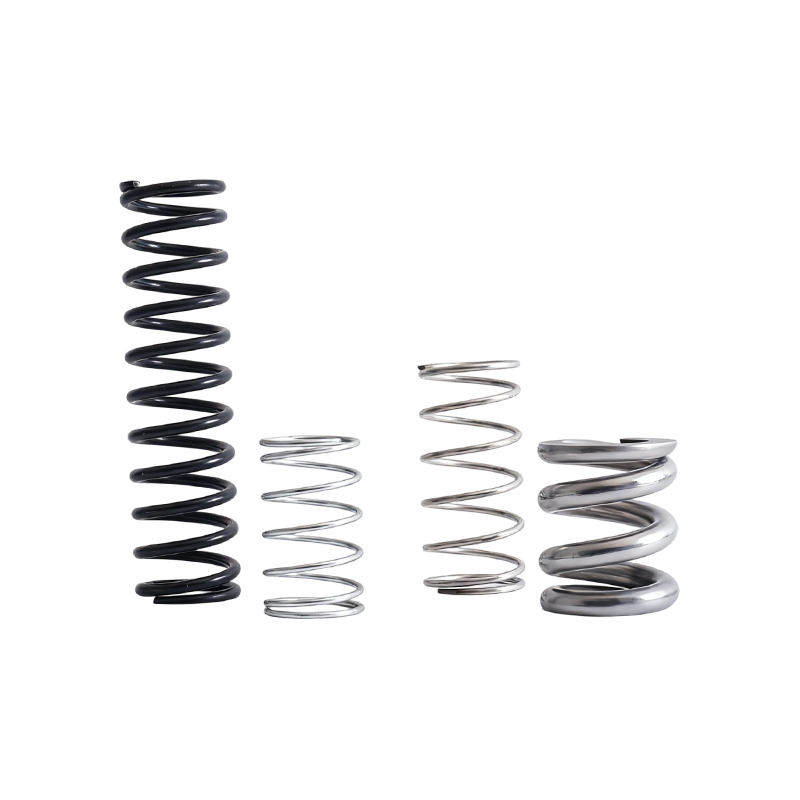
Fatigue and Durability Testing:
Coil springs are subjected to repeated cycles of compression and extension to simulate the continuous forces they will experience during use. This testing helps to assess the spring's durability and ability to withstand prolonged use without losing performance or breaking down. Fatigue testing is particularly important for car coil springs, as they need to maintain their function over extended periods without experiencing premature failure.
Shock Absorption and Ride Quality Testing:
Finally, performance testing includes evaluating the spring’s ability to absorb shocks and maintain ride quality. The spring should provide a smooth and controlled response to road imperfections and help keep the vehicle's tires in constant contact with the road. Performance testing simulates various driving conditions to assess the spring's responsiveness and ability to support vehicle handling and comfort.
Related products
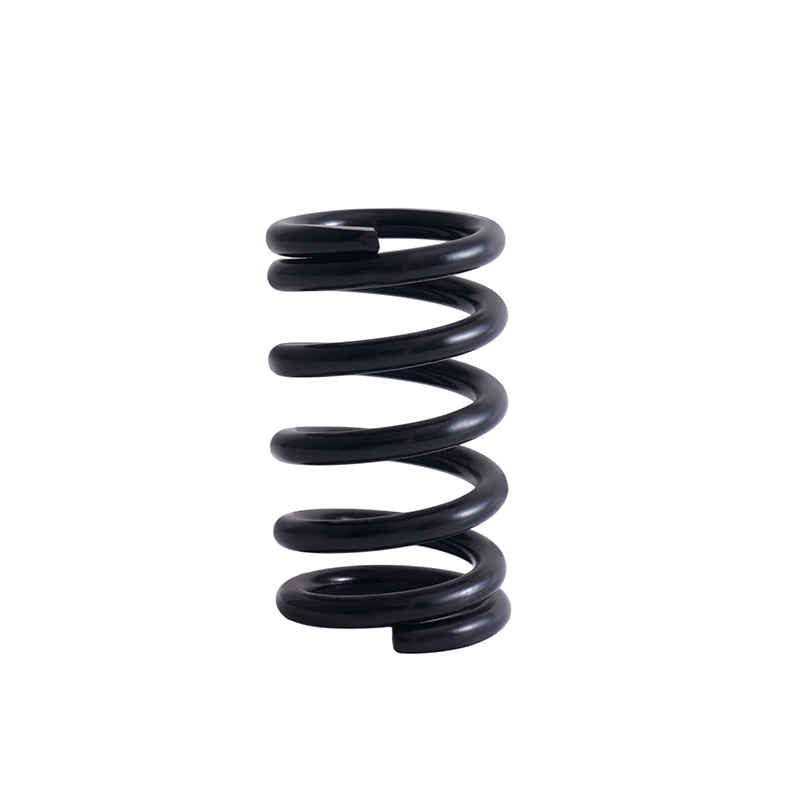

If you are interested in our products, please consult us
CONTACT DETAIL
- Email: helispring@163.com
- Tel: +86-18767775615
- Address: Jinlu Industrial Zone, Beibaixiang Town, Yueqing, Wenzhou City, Zhejiang Province, China.
PRODUCTS
MOBILE TEMERNAL
Wenzhou Heli Spring Manufacturing Co., Ltd. ALL RIGHTS RESERVED.

China Customized Spring Manufacturer