

 English
 русский
 Español
Types of Helical Torsion Springs
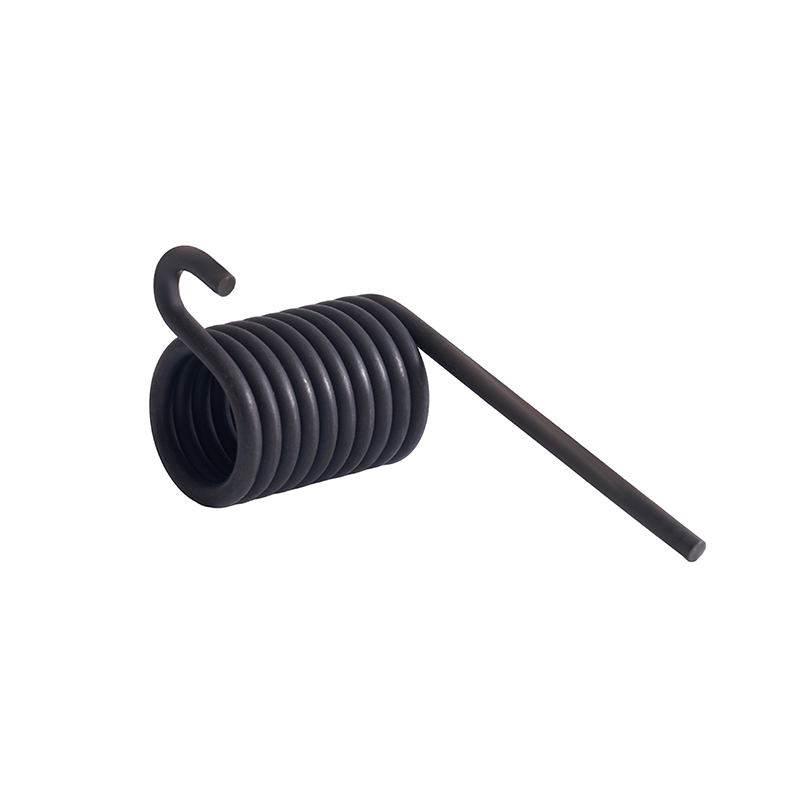
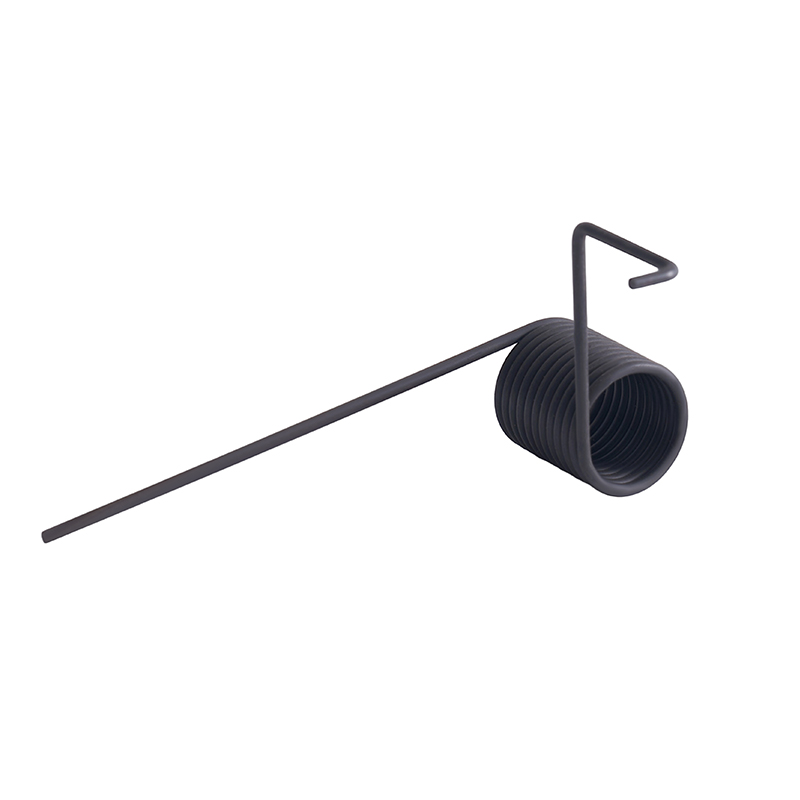
Industry News-Helical torsion springs can be categorized based on design, winding direction, and end configuration. Each type is intended for specific torque requirements and spatial constraints. The following table summarizes commonly encountered types:
|
Type |
Description |
Typical Applications |
|
Standard Helical Torsion Spring |
Uniform coil diameter with straight or bent ends. Provides rotational force when ends are twisted. |
Hinges, garage doors, mechanical levers. |
|
Conical Helical Torsion Spring |
Coils taper from larger to smaller diameter. Allows compact storage of energy. |
Adjustable mechanisms, retractable devices. |
|
Double Torsion Spring |
Two torsion springs combined on a single shaft for synchronized torque. |
Automotive pedals, clamping devices. |
|
Barrel-Shaped Torsion Spring |
Bulging middle coil profile for enhanced load distribution. |
Industrial machinery, tensioning systems. |
|
Clockwise and Counterclockwise Wound Springs |
Wound in specific directions to suit application torque requirements. |
Clock mechanisms, rotating shafts. |
Each type is engineered for a specific torque range, angular rotation, and environmental condition. Selection involves consideration of material, wire diameter, coil diameter, and operating environment, such as temperature or corrosive conditions.
Tension and Compression Springs Manufacturing Process
The manufacturing of helical torsion springs involves several precise steps to ensure functional reliability and durability.
Wire Selection and Preparation
Spring wire material is chosen according to load, stress cycles, and environmental exposure. Common materials include high-carbon steel, stainless steel, and alloy steels. The wire undergoes straightening, cleaning, and sometimes coating before coiling to remove residual stresses and surface imperfections.
Spring Coiling Techniques
The wire is coiled using CNC coilers or specialized spring winding machines. Depending on the design, either cold or hot coiling may be used. Cold coiling involves room-temperature winding for small-diameter wires, while hot coiling is applied to larger diameters or high-strength materials. Coil pitch and diameter are controlled to ensure uniform torque performance.
Heat Treatment and Surface Finishing
After coiling, springs are stress-relieved or tempered in controlled furnaces to stabilize the wire and improve fatigue resistance. Surface finishing techniques may include shot peening, electroplating, or powder coating. Shot peening introduces compressive surface stress to extend fatigue life, while coatings enhance corrosion resistance.
Spring End Treatment
Spring ends are shaped or ground to meet application requirements. Common end types include straight, hooked, or tangential forms. End treatment ensures proper seating and torque transfer in assembled mechanisms, reducing the risk of localized stress concentration.
Common Issues and Solutions for Helical Torsion Springs
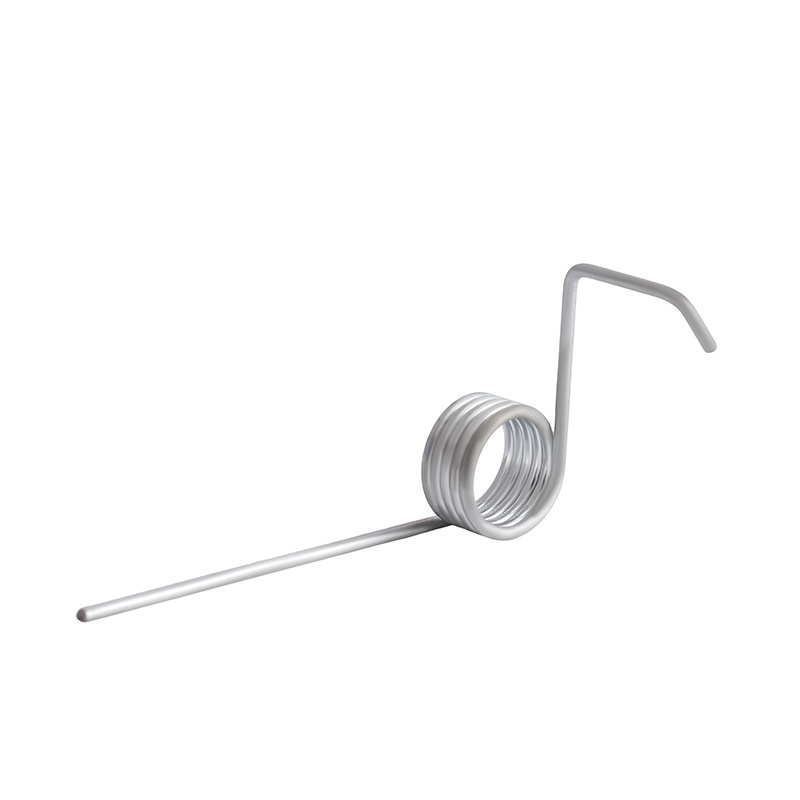
Helical torsion springs can encounter operational problems that affect performance and longevity. Understanding these issues helps in selection, design, and maintenance.
Premature Fatigue and Breakage
Repeated torsional cycles can bring about material fatigue. To mitigate this, appropriate wire material, diameter, and heat treatment should be applied. Avoiding overloading beyond the specified angular displacement reduces stress accumulation.
Corrosion and Environmental Degradation
Springs exposed to moisture, chemicals, or temperature fluctuations may corrode or lose mechanical properties. Solutions include using corrosion-resistant alloys, applying protective coatings, or implementing sealed housing designs to reduce exposure.
Improper Torque or Misalignment
Incorrect installation or misaligned components can generate uneven stress along the coil. Solutions involve careful alignment during assembly, ensuring proper seating of spring ends, and verifying torque specifications during operation.
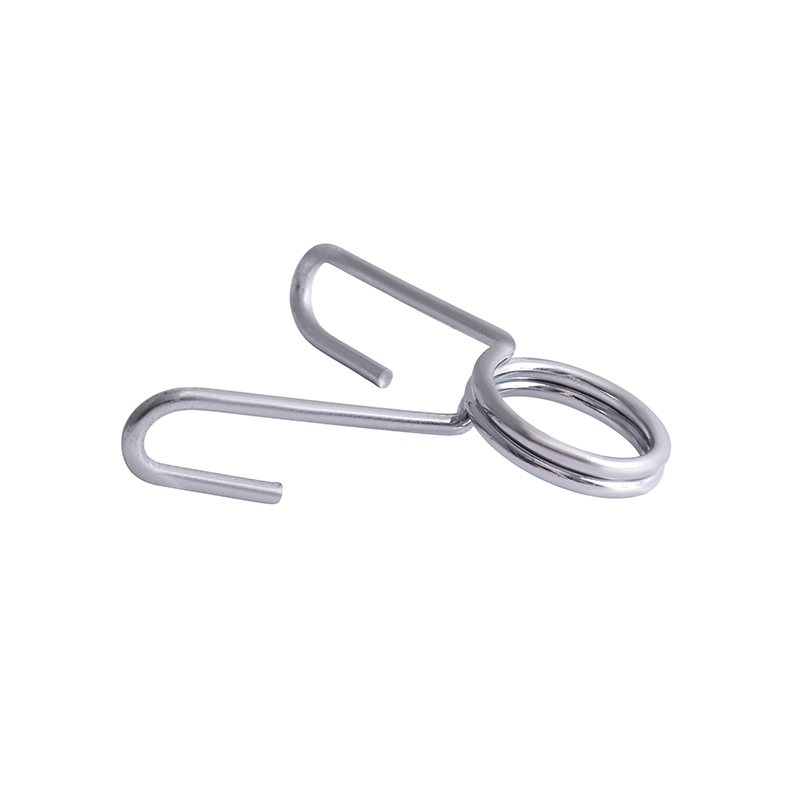
Clutch torsion springs are specialized helical torsion springs designed to absorb and modulate rotational energy in clutch systems. They reduce shock loads, damp vibrations, and contribute to smooth engagement and disengagement of mechanical components. Key features include:
- Designed to store energy along the clutch hub or flywheel axis.
- Configured to manage torsional vibration and reduce drivetrain noise.
- Typically made from high-strength alloy steel to withstand repeated loading cycles.
- Can feature double or multi-coil designs for increased torque distribution.
- Often subjected to precision heat treatment and surface finishing to maintain fatigue resistance.
- Incorporated in automotive, agricultural, and industrial clutch systems for improved rotational control.
Clutch torsion springs provide incremental energy release and controlled torque transfer, enhancing the operational life of associated components.
Clutch Torsion Springs: Design and Function
Clutch torsion springs are specialized mechanical components designed to control torque transmission and dampen vibrations within clutch systems. These springs differ from conventional torsion springs in their specific application requirements, operating conditions, and performance characteristics.
Functional Role in Clutch Systems
Clutch torsion springs serve primarily to absorb and dampen torsional vibrations generated by internal combustion engines. Reciprocating engines produce cyclic torque variations as individual cylinders fire, creating rotational irregularities that transmit through the drivetrain. Without adequate damping, these vibrations cause gear rattle, component wear, and driver discomfort.
The springs are typically positioned within the clutch disc assembly, mounted between the disc hub and friction plate facings. This arrangement allows controlled relative motion between these components, permitting the spring to compress and expand as torque fluctuations occur. The spring's resistance to this motion absorbs vibrational energy, converting it to heat through internal material damping.
Design Configurations
Clutch torsion springs are manufactured in several configurations depending on the specific clutch design and application requirements. Single-stage designs utilize one set of springs with uniform spring rates, providing consistent damping across the operating range. Multi-stage designs incorporate springs with different rates, arranged in series or parallel configurations to provide progressive damping characteristics.
The physical arrangement within the clutch disc varies by application. Coil springs mounted tangentially around the hub represent a common configuration, with multiple springs arranged circumferentially to distribute load evenly. Some designs utilize straight coil springs positioned radially, while others employ curved springs that follow the disc contour for space optimization.
Spring ends receive specific treatment to ensure proper load transfer. Closed and ground ends provide flat seating surfaces against the drive plates, while hooked or looped ends may be specified for positive retention in certain designs. The end configuration must accommodate the limited space within the clutch assembly while ensuring reliable engagement throughout the spring's operating life.
Material Selection and Processing
Clutch torsion springs experience demanding operating conditions requiring careful material selection. Oil-tempered valve spring wire, typically meeting ASTM A229 or similar specifications, provides the necessary combination of strength and fatigue resistance. Chrome silicon and chrome vanadium alloys offer enhanced performance for high-torque applications or elevated temperature operation.
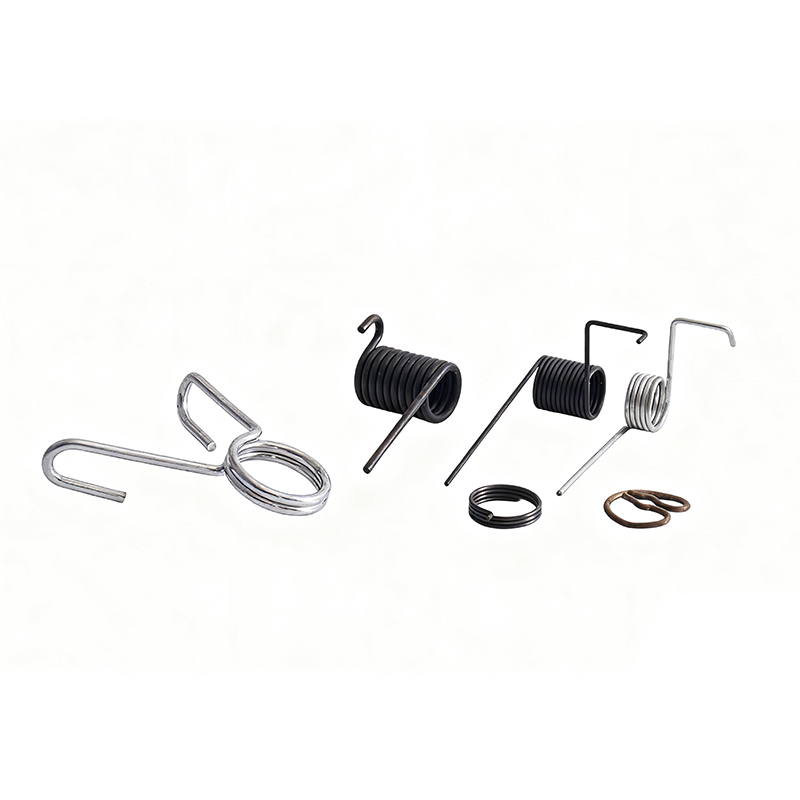
Surface treatment significantly affects spring durability. Shot peening induces compressive residual stresses that inhibit crack initiation, dramatically improving fatigue life under cyclic loading. Presetting operations, where springs are compressed beyond their design limits during manufacturing, establish beneficial residual stress patterns and verify dimensional stability before installation.
Corrosion protection requires attention in clutch applications where moisture exposure may occur. Phosphate coatings provide basic protection while maintaining dimensional accuracy. More severe environments may necessitate zinc plating or organic coatings, though these treatments must not interfere with spring function or contaminate clutch friction surfaces.
Related products
If you are interested in our products, please consult us
CONTACT DETAIL
- Email: helispring@163.com
- Tel: +86-18767775615
- Address: Jinlu Industrial Zone, Beibaixiang Town, Yueqing, Wenzhou City, Zhejiang Province, China.
PRODUCTS
MOBILE TEMERNAL
Wenzhou Heli Spring Manufacturing Co., Ltd. ALL RIGHTS RESERVED.

China Customized Spring Manufacturer