

 English
 русский
 Español
Characteristics of compression springs.
Industry News-I. Core Functional Features
Resistance and Cushioning: The primary function is to resist axial compressive forces. When subjected to pressure, the spring deforms, converting kinetic or potential energy into stored elastic potential energy, providing cushioning and shock absorption.
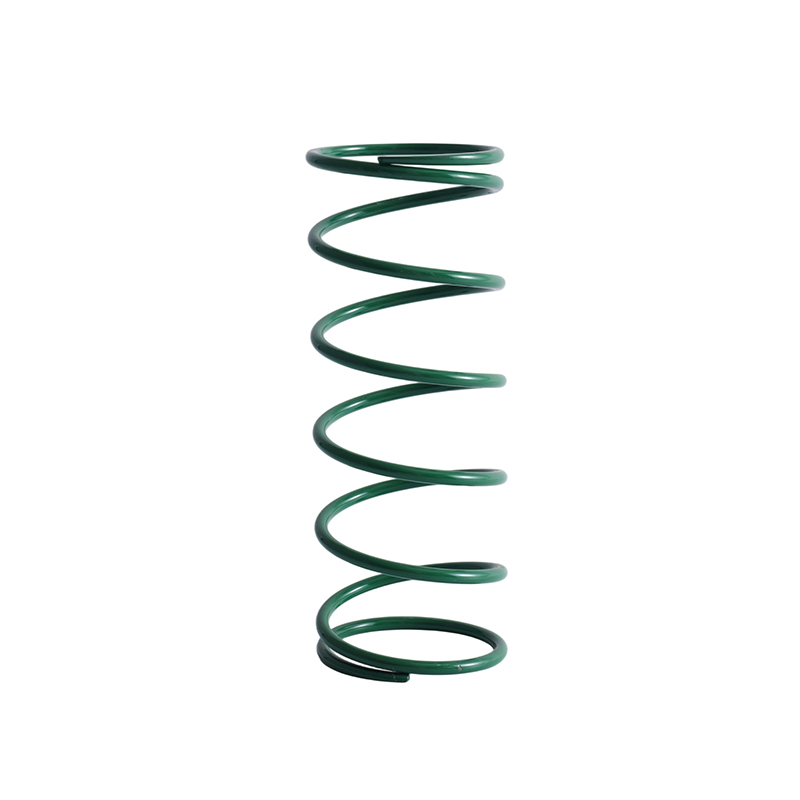
Storing Energy: A compressed spring stores elastic potential energy. This property is widely used in applications requiring energy release, such as automatic pens, wind-up toys, and valves.
Providing Pressure: When compressed, a spring exerts opposing forces on both ends. This property is used to maintain close contact between components, such as in clutches, brake systems, and vibrating screens.
II. Structural and Geometric Features
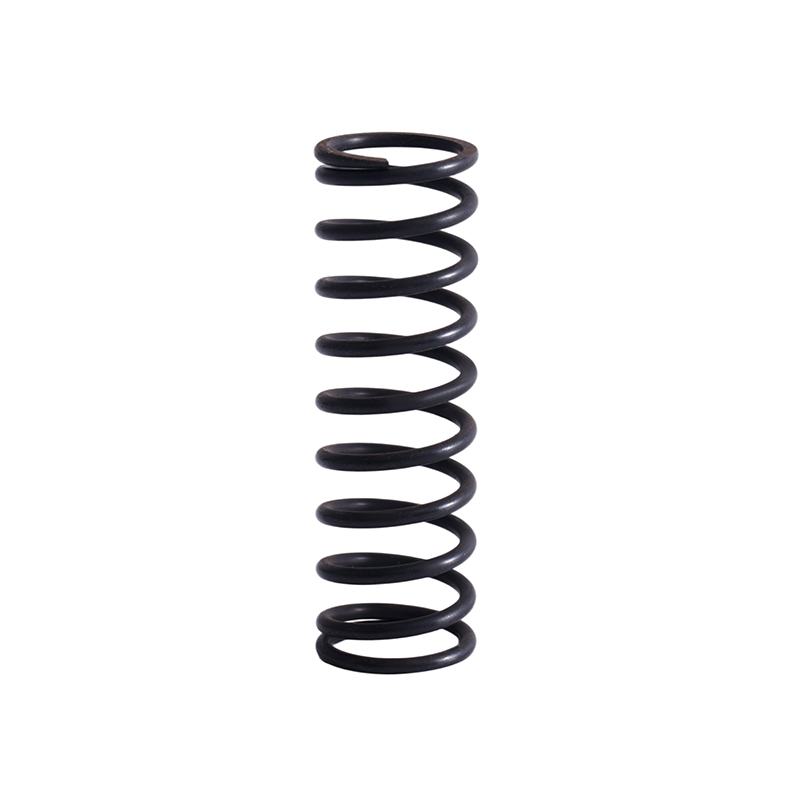
Various Shapes: The common is cylindrical (consistent pitch), but there are also various shapes, such as conical, olive (with tapering diameters at both ends), and waist drum, to accommodate different spaces and load requirements.
Cylindrical: Provides uniform spring force.
Conical: Provides progressive spring force and, when compressed, allows the spring to completely retract into its own space, saving height.
End Structure: The ends of a compression spring are typically treated differently to ensure uniform and stable force distribution.
Tightened and Grounded End: The coils at both ends are tightened and ground flat, allowing the spring to stand upright and maintain a vertical force line. This is the commonly used method.
Tightened and Unground End: The coils at both ends are tightened but not ground flat. This is slightly less expensive but offers slightly less stability.
Open Untight End: The coils at both ends are not tightened. This is suitable for applications where guidance is not a priority.
Pitch: The distance between coils. Pitch can be uniform or variable. Variable pitch springs can provide nonlinear force variations during compression.
III. Mechanical Properties
Force-Deformation Relationship (Hooke's Law): Within the elastic limit, the compression (deformation) of a spring is proportional to the load (force) it bears. This is the basic and important mechanical property of a spring. The proportionality coefficient is called the spring stiffness (k), measured in N/mm. The greater the stiffness, the "stiffer" the spring.
High Fatigue Strength: High-quality compression springs must be able to withstand millions or even tens of millions of repeated compression cycles without failure. This places high demands on material selection and manufacturing processes (such as heat treatment and shot peening).
Working Stroke: The distance a spring can be safely compressed. Typically, the design ensures that the spring remains within its elastic deformation range until the spring reaches its solid height (the theoretical height when all coils are in contact).
IV. Material and Process Characteristics
Wide Selection of Materials: Depending on the application, a variety of materials can be used:
High-carbon steel/music wire: Most commonly used, offering high strength and low cost.
Stainless steel: Used in environments requiring corrosion and rust resistance, such as food processing machinery and medical equipment.
Chromium-silicon steel/chrome-vanadium steel: Offers higher fatigue strength and high-temperature resistance, and is used in critical applications such as automotive engine valve springs.
Copper alloys, Such as phosphor bronze and beryllium bronze, offer electrical conductivity and corrosion resistance.
Nickel alloys: Used in extremely high-temperature environments.
Mature manufacturing process: Springs are primarily coiled on a spring coiling machine and then tempered to eliminate internal stresses and stabilize dimensions and performance. Surface treatments such as electroplating (zinc, nickel) and painting are used to prevent corrosion.
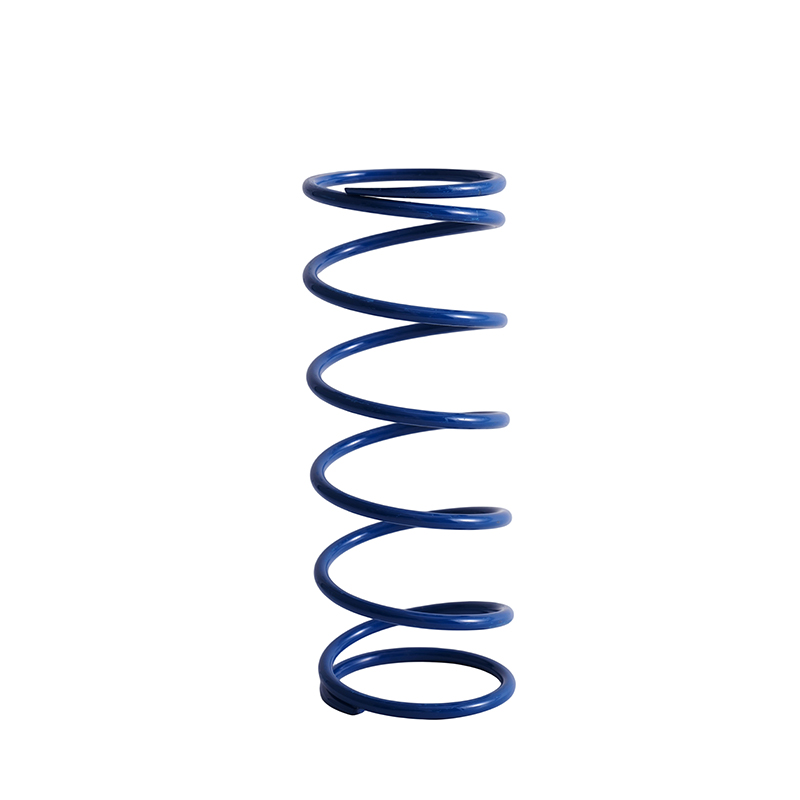
What Are the Key Aspects of Compression Extension Springs and Automotive Applications?
Compression and extension springs are essential components in various mechanical systems. They operate by storing energy when subjected to compressive or tensile forces, respectively. The design, manufacturing, and installation of these springs require careful consideration of factors like load capacity, material selection, and application type. Automotive industries, in particular, rely on compression springs for many critical functions.
Compression Extension Spring
A compression extension spring, often simply referred to as a compression spring, is designed to resist forces that push the spring inward, creating a compressive force. These springs are typically made from high-carbon steel or stainless steel, ensuring that they can endure the stresses placed upon them without losing their functionality.
|
Feature |
Description |
|
Wire Material |
Often made from carbon steel, stainless steel, or alloy steel for enhanced durability. |
|
Spring Shape |
Typically cylindrical, but can also be conical or hourglass-shaped. |
|
Load Capacity |
Can handle substantial loads depending on wire diameter, spring diameter, and material strength. |
|
Spring Rate |
Defines the stiffness of the spring, often measured in force per unit of deflection. |
|
End Types |
Common end types include closed, open, or ground ends, depending on the intended use. |
|
Fatigue Resistance |
High-quality compression springs are designed to resist wear and fatigue over time. |
These springs are found in a wide array of industries, particularly automotive and industrial applications. The compression extension springs used in automotive systems help to absorb shocks, maintain mechanical function, and store energy.
What Precautions Should Be Taken When Installing and Using Automotive Compression Springs?
Automotive compression springs are subjected to high stress and varying environmental conditions. When installing and using these springs, it is crucial to follow specific precautions to ensure the spring’s effectiveness and longevity. The following steps outline the essential precautions:
① Proper Selection of Spring
Ensure the spring is correctly sized for the application. Selecting the wrong spring can bring about excessive wear or failure. The spring's load capacity, size, and material should align with the intended use. For automotive components, a spring that can withstand high-temperature fluctuations and varying mechanical stresses is necessary.
② Avoid Overloading
Overloading the spring can cause permanent deformation or even failure. Be mindful of the spring's load limit and ensure that the system does not exceed these limits during operation. The spring should not be overstretched or compressed beyond its rated capacity.
③ Correct Installation Techniques
During installation, ensure that the spring is aligned properly with its corresponding components. Misalignment can bring about uneven wear and decreased performance. Using proper tools to position the spring is essential to avoid damage to the spring or surrounding components.
④ Environmental Conditions
Ensure that the automotive spring is installed in a suitable environment, free from excessive corrosion, temperatures, or moisture that could degrade the material. Protective coatings or materials with inherent corrosion resistance should be used if necessary.
What Are the End Treatments for Small Heavy Duty Compression Springs?
End treatments are crucial for ensuring the performance and longevity of small heavy-duty compression springs. These treatments influence the way the spring interacts with the surrounding components and enhance its resistance to wear, fatigue, and corrosion. Several types of end treatments can be used for heavy-duty compression springs, as detailed below:
Closed Ends
Description: Closed ends are used when the spring needs to be seated firmly against a surface. In this process, the ends of the spring are formed to close off the coils. This end treatment helps in coil movement, reducing noise, and enhancing the spring's overall stability.
Ground Ends
Description: Ground ends are machined to create a flat, uniform surface. This treatment is ideal for springs that must maintain a high degree of precision and stability. Ground ends ensure that the spring sits flush against its housing, preventing wobbling or uneven compression. This treatment is commonly used for small heavy-duty springs in automotive or precision equipment applications.
Open Ends
Description: Open ends are more commonly found in less demanding applications where alignment is not as critical. The ends of the spring are left ungrounded, allowing for flexibility in assembly. However, this treatment is typically avoided in heavy-duty applications due to the potential for uneven wear.
Shot Peening
Description: Shot peening involves bombarding the surface of the spring with small, spherical media to induce compressive stress. This process increases the spring's fatigue resistance, making it more durable under repeated load conditions.
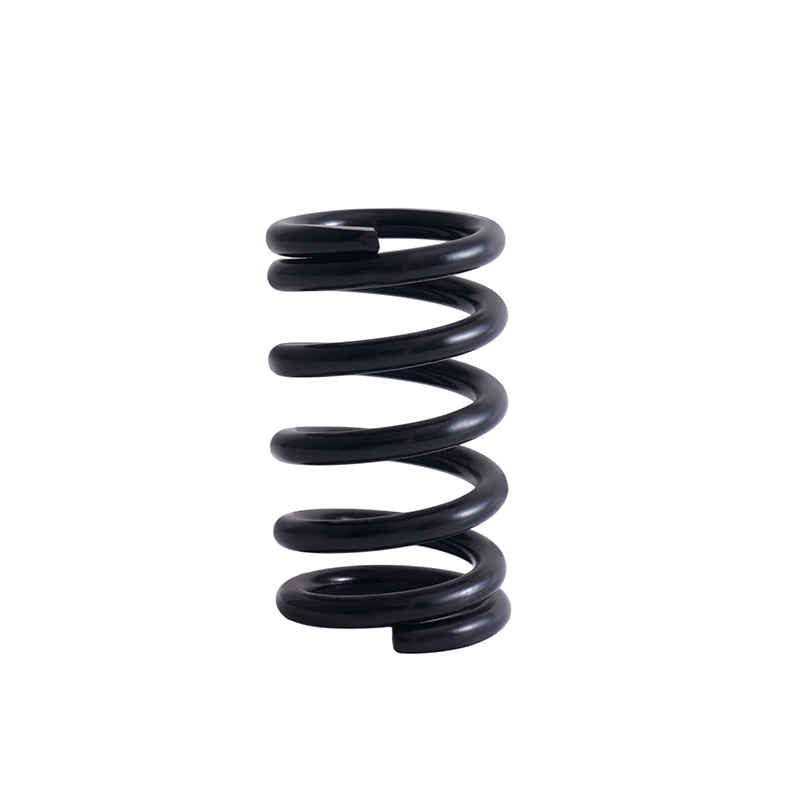
What Does Preload Mean in Automotive Compression Springs?
Definition of Preload in Compression Springs
Preload refers to the initial force that is applied to a compression spring before any external forces are introduced. In automotive applications, preload is used to ensure that the spring exerts a constant force on the system, even when the system is in a resting state. This force can be beneficial in systems such as suspension systems, where a consistent force is necessary for stability.
When a compression spring is preloaded, it is compressed by a specified amount before being used in an application. The preload helps the spring stay in constant tension, preventing it from becoming slack or losing its functionality over time. Preloading can also help to achieve more predictable spring behavior under load, which is especially important in automotive systems that must perform consistently.
Impact of Preload on Performance
The preload applied to a compression spring can significantly affect its overall performance. In an automotive suspension system, for example, preload ensures that the spring remains compressed to a degree, allowing it to better absorb shocks and provide stability. Preload can influence the ride quality, handling, and load-bearing capacity of the suspension. It ensures that the spring remains in a constant state of tension, which improves the system's response to varying driving conditions.
Compression extension springs are vital components in mechanical systems across various industries, including automotive applications. The design and use of these springs require careful attention to factors such as material selection, load capacity, and environmental conditions. In automotive systems, compression springs must be carefully installed and maintained to ensure their longevity and effectiveness.
Understanding the end treatments available for small heavy-duty compression springs and the concept of preload is crucial for optimizing spring performance. Preload, in particular, ensures that the spring remains in constant tension, improving its response and stability in automotive applications. By following proper precautions during installation and understanding the role of preload and end treatments, the performance of compression springs can be maximized, bringing about better mechanical functionality and longer-lasting components in automotive and other systems.
Related products
If you are interested in our products, please consult us
CONTACT DETAIL
- Email: helispring@163.com
- Tel: +86-18767775615
- Address: Jinlu Industrial Zone, Beibaixiang Town, Yueqing, Wenzhou City, Zhejiang Province, China.
PRODUCTS
MOBILE TEMERNAL
Wenzhou Heli Spring Manufacturing Co., Ltd. ALL RIGHTS RESERVED.

China Customized Spring Manufacturer