

 English
 русский
 Español
What Are Customized Springs and Why Are They Needed?
Industry News-Customized springs are springs manufactured based on specific parameters such as load capacity, deflection range, operating environment, and installation constraints. These springs are often required when standard catalog products cannot meet the functional or spatial requirements of a system.
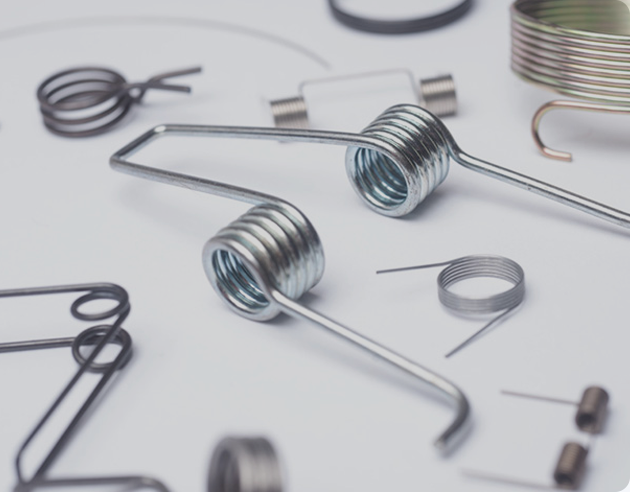
Key reasons for using customized springs include:
· Unique Load Requirements:
Applications may require precise force characteristics that standard springs cannot provide.
· Space Limitations:
Devices with compact or irregular designs often need springs with non-standard shapes or sizes.
· Special Environmental Conditions:
Springs used in high-temperature, corrosive, or high-vibration environments must be designed with appropriate materials and coatings.
· Integration with Complex Assemblies:
Customized springs can be designed to fit seamlessly into assemblies with specific mounting or alignment requirements.
Common Types of Customized Springs
Customized springs can be designed in various forms depending on the application:
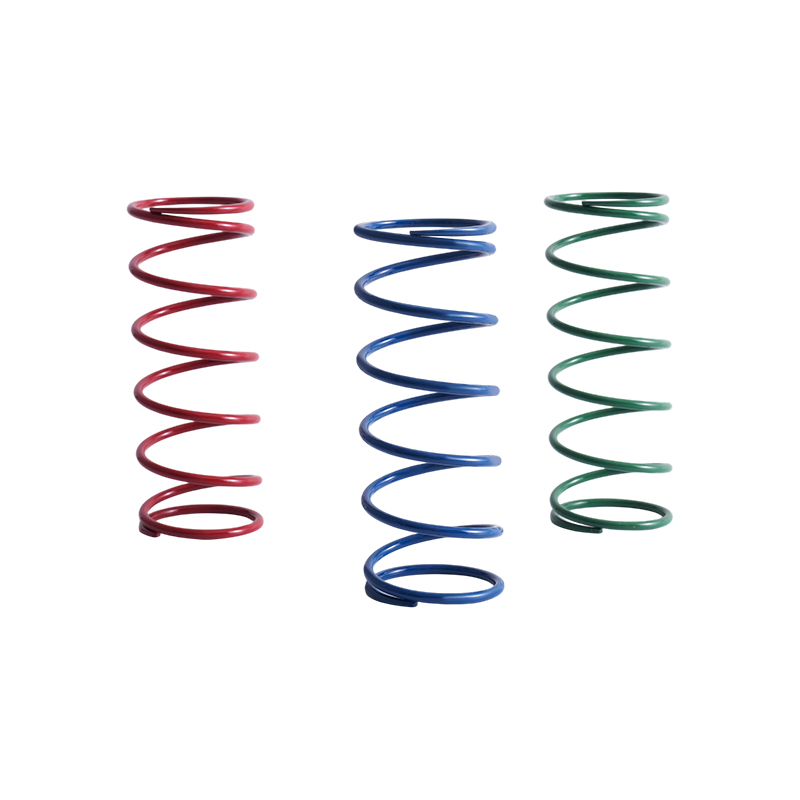
· Compression Springs
Designed to resist compressive forces, commonly used in suspension systems, valves, and mechanical assemblies.
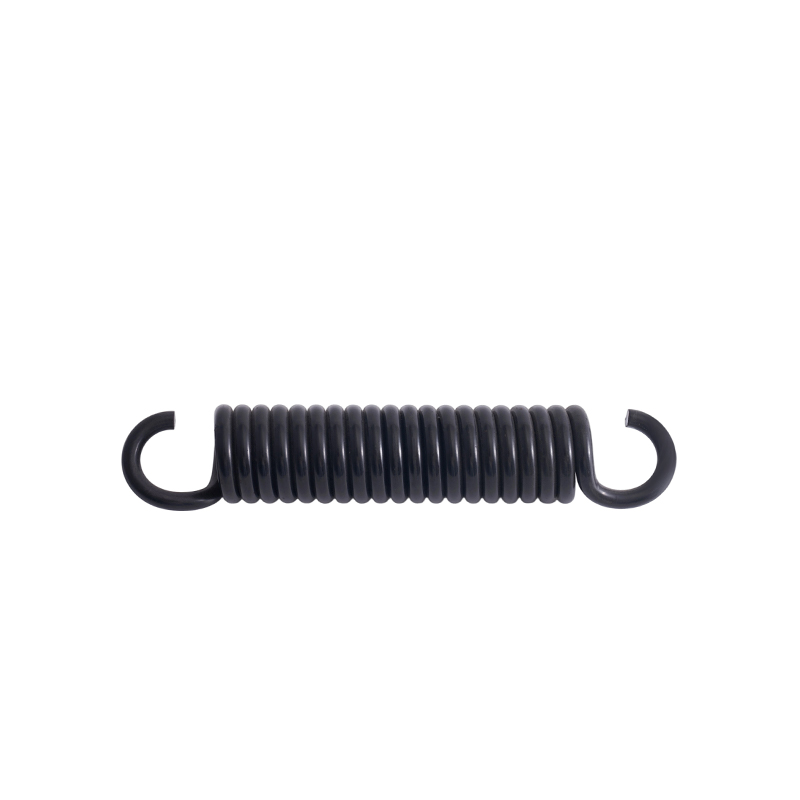
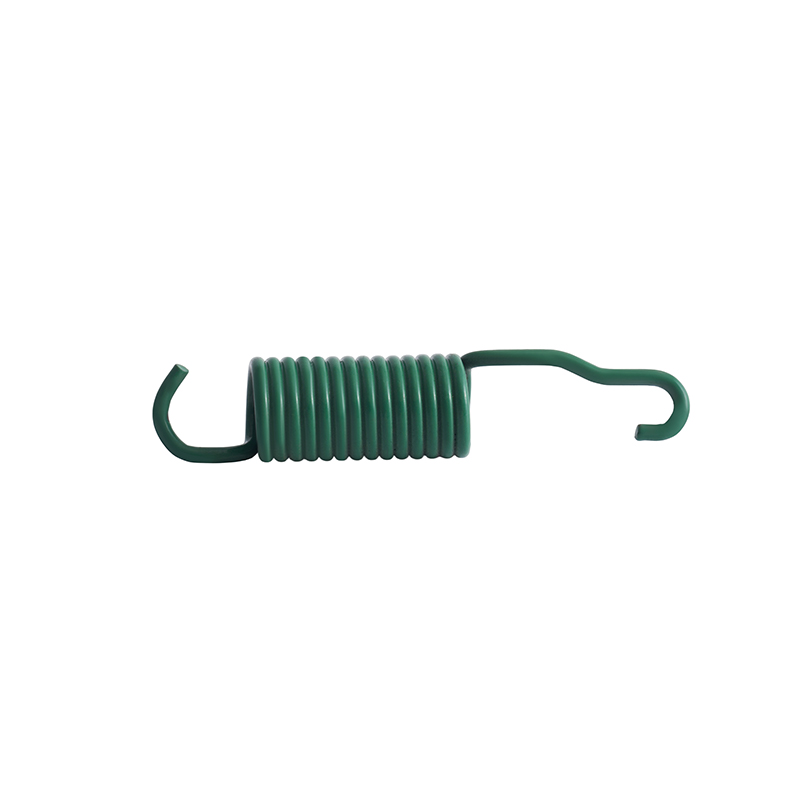
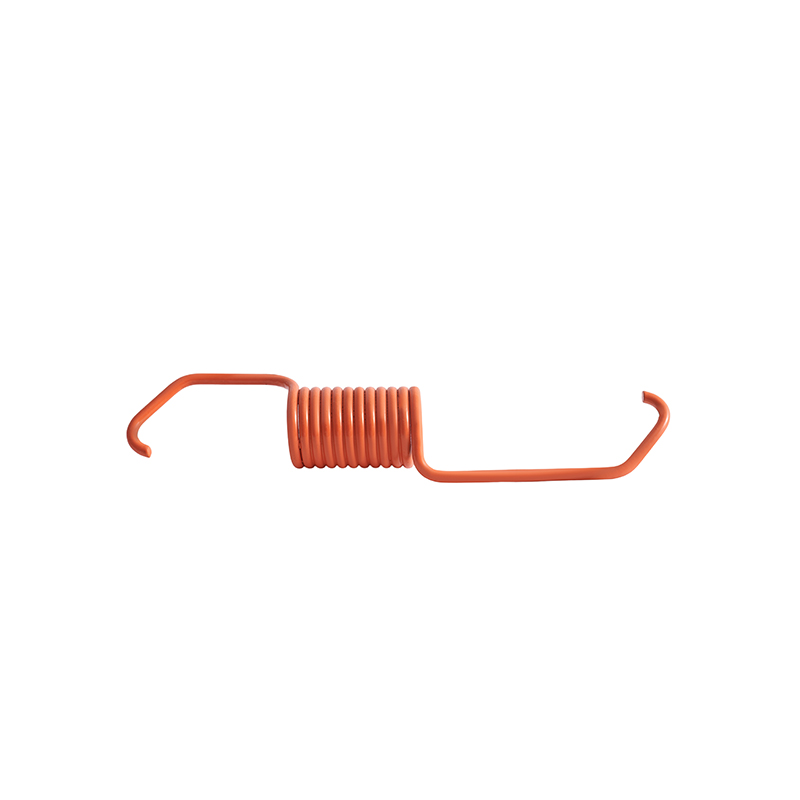
· Extension Springs
These springs operate under tension and are typically used in applications such as garage doors and mechanical linkages.
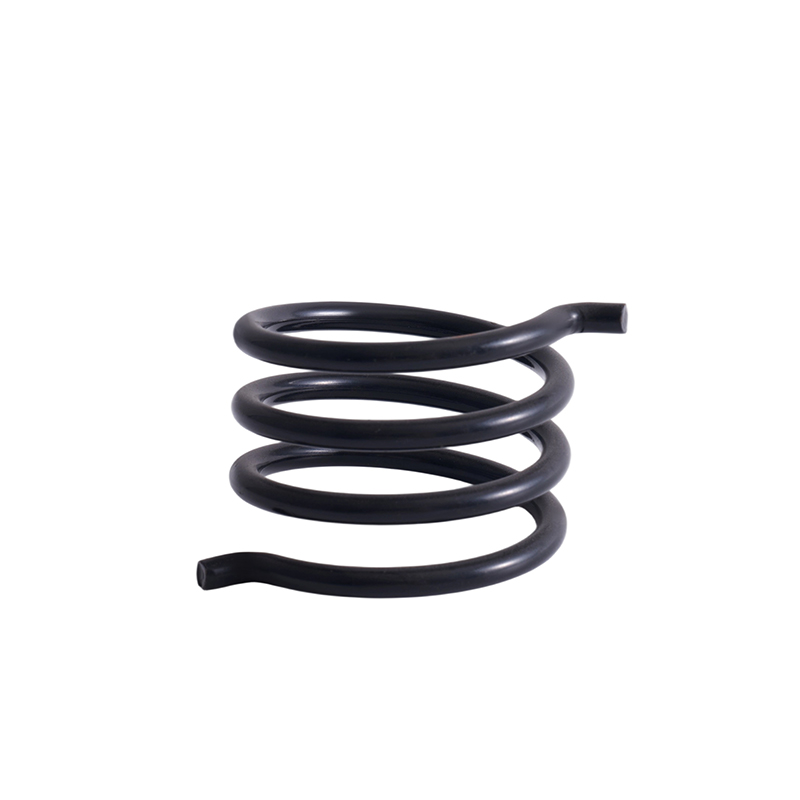
· Torsion Springs
Designed to store and release rotational energy, often used in hinges, clips, and rotating mechanisms.
· Flat Springs and Leaf Springs
Used where space is limited or where load distribution across a surface is required.
· Wire Forms
Custom-shaped wire components that may function as springs or retaining elements in assemblies.
Material Selection for Customized Springs
The choice of material significantly affects the performance and lifespan of a spring. Common materials include:
· Carbon Steel
Widely used due to its strength and cost-effectiveness, suitable for general applications.
· Stainless Steel
Offers corrosion resistance and is commonly used in medical, food, and outdoor environments.
· Alloy Steel
Provides higher strength and fatigue resistance, often used in automotive and heavy-duty applications.
· Copper Alloys (e.g., Phosphor Bronze, Beryllium Copper)
Used where electrical conductivity and corrosion resistance are required.
Material selection depends on factors such as load cycles, environmental exposure, and required mechanical properties.
Design Parameters for Customized Springs
Designing a customized spring involves careful consideration of several technical parameters:
· Wire Diameter
Determines the strength and stiffness of the spring.
· Coil Diameter
Affects the spring’s flexibility and load characteristics.
· Number of Active Coils
Influences the deflection and overall spring behavior.
· Spring Rate (Stiffness)
Defines how much force is required to compress or extend the spring by a certain distance.
· Free Length and Working Length
Important for ensuring proper fit and function within the assembly.
· End Type Design
Includes closed ends, hooks, or custom shapes depending on how the spring will be mounted.
Manufacturing Processes for Customized Springs
Customized springs are produced using specialized manufacturing techniques:
· Cold Coiling
Used for smaller wire diameters, where the wire is coiled at room temperature.
· Hot Coiling
Suitable for thicker wires, where the material is heated before forming.
· Heat Treatment
Applied after forming to improve strength and relieve internal stresses.
· Surface Treatment
Includes processes such as plating, coating, or shot peening to enhance corrosion resistance and fatigue life.
· Precision Grinding
Used for compression springs requiring flat and parallel ends.
Related products
If you are interested in our products, please consult us
CONTACT DETAIL
- Email: helispring@163.com
- Tel: +86-18767775615
- Address: Jinlu Industrial Zone, Beibaixiang Town, Yueqing, Wenzhou City, Zhejiang Province, China.
PRODUCTS
MOBILE TEMERNAL
Wenzhou Heli Spring Manufacturing Co., Ltd. ALL RIGHTS RESERVED.

China Customized Spring Manufacturer