

 English
 русский
 Español
How Can Buyers Verify Torque Requirements Before Spring Production
Industry News-Torque requirements directly affect the operating performance of torsion springs used in industrial machinery, automotive mechanisms, electrical equipment, and mechanical assemblies. A spring may match the required dimensions but still fail to deliver the expected rotational force because of differences in working angles, leg geometry, or material properties.
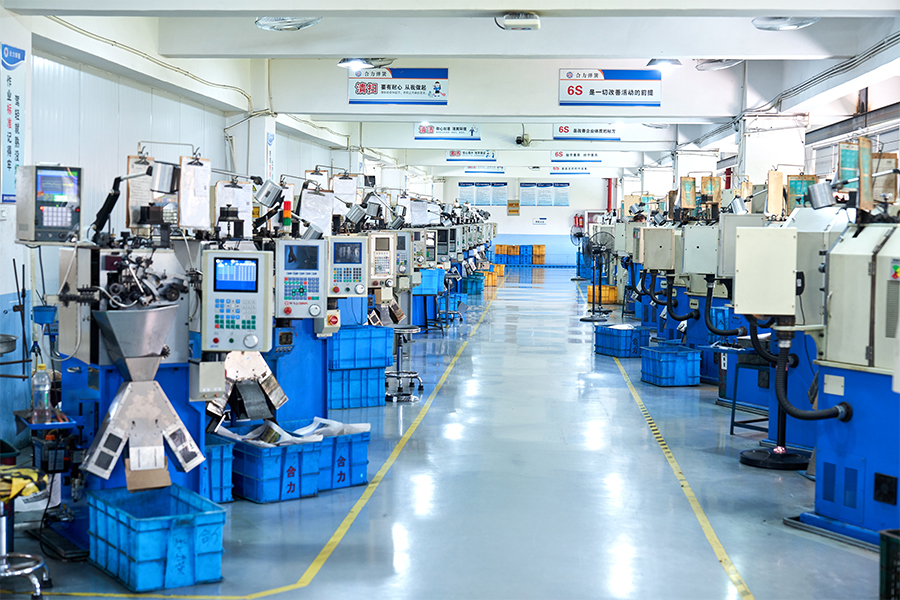
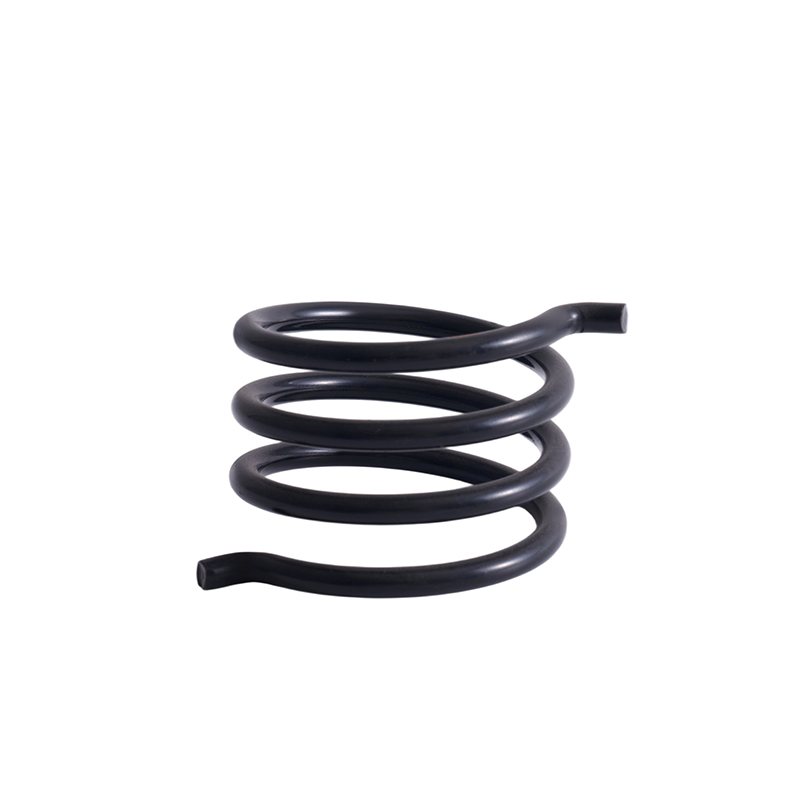
At Heli Spring, we manufacture customized torsion springs according to customer drawings, samples, and application specifications. Before production, we recommend confirming several mechanical parameters and testing conditions. This helps our engineering team evaluate the design and establish measurable acceptance criteria for each project.
1. Define the Required Torque at Specific Angles
Torque should be specified at a clearly defined angular position rather than described simply as high torque or strong resistance. A torsion spring generates rotational force as its legs rotate from the unloaded position.
Buyers should provide:
- Required torque at the installed position.
- Torque at the fully loaded working position.
- Angular displacement measured from the free position.
- Allowable torque variation at each measurement point.
For example, an RFQ may specify 1.5 N·m at 60° and 2.5 N·m at 100°. These values give us two functional reference points for reviewing spring performance.
2. Check the Relationship Between Force and Lever Arm
Torque depends on the applied force and its distance from the spring axis. Therefore, the position where the external mechanism contacts the spring leg must be clearly defined.
Torque = Force × Lever Arm
For example, an application requiring 2 N·m of torque with a 100 mm effective lever arm needs an applied force of 20 N, assuming the force acts perpendicular to the lever arm.
Buyers should confirm the following details:
- Effective distance between the spring axis and load application point.
- Direction of the applied force.
- Contact position along the spring leg.
- Whether the mechanism applies a constant or changing load.
At Heli Spring, we use this information to understand the actual working conditions instead of evaluating torque independently from the customer's assembly.
3. Confirm Wind Direction and Leg Geometry
Wind direction determines how a torsion spring responds to rotation. Most conventional helical torsion springs are designed to operate in the direction that tightens the coils. Applying torque in the opposite direction may increase stress and affect service life.
Our engineering review should include:
- Wind direction: Specify left-hand or right-hand winding.
- Free leg angle: Define the unloaded angular position between the two legs.
- Leg length: Provide the dimensions of both ends.
- End configuration: Identify straight, bent, hooked, or customized legs.
- Mounting arrangement: Provide shaft, pin, or housing dimensions.
Leg geometry also affects load transfer. Sharp bends and unsuitable contact positions can create localized stress, so we recommend including detailed end views in the engineering drawing.
4. Evaluate Material and Structural Parameters
Wire diameter, coil diameter, active coil count, and material properties influence torque characteristics. A high-torque application requires an appropriate balance between mechanical strength, available space, and allowable stress.
| Parameter | Engineering Consideration |
| Wire Diameter | Influences torsional stiffness and stress. |
| Mean Coil Diameter | Affects spring geometry and torque characteristics. |
| Active Coil Count | Contributes to the spring's angular rate. |
| Material Grade | Determines mechanical properties and operating suitability. |
| Leg Dimensions | Affect load transfer and bending stress. |
Depending on the application, Heli Spring can discuss materials such as spring steel, piano wire, and stainless steel. Operating temperature, corrosion exposure, and expected loading cycles should also be considered during material evaluation.
5. Establish Torque Testing Conditions Before Sampling
Torque measurements are meaningful only when the testing conditions are consistent. Buyers should agree on the measurement procedure with the manufacturer before sample approval.
We recommend specifying:
- Torque measurement equipment and calibration requirements.
- Reference angular positions.
- Loading and unloading measurement procedures.
- Spring support and mounting conditions.
- Ambient temperature during testing.
- Permitted torque deviation and reporting format.
For applications with noticeable friction or hysteresis, loading and unloading measurements may produce different readings. Using agreed testing conditions helps both parties compare results consistently.
6. Verify Fatigue Performance for Repeated Operation
Static torque measurements do not fully represent long-term operating behavior. Industrial mechanisms may require thousands or millions of rotational cycles, depending on their operating frequency and service conditions.
Before production, buyers should clarify:
- Expected operating cycles.
- Normal and ideal angular deflection.
- Operating speed and loading frequency.
- Permitted torque changes after cycling.
- Any special environmental testing requirements.
At Heli Spring, fatigue testing can support the evaluation of spring performance under agreed cycling conditions. The test load, angular range, and cycle target should be established according to the actual application rather than relying on an unspecified durability claim.
7. Prepare a Technical Verification Checklist
A structured RFQ makes it easier for our engineering team to review the project before manufacturing samples.
| RFQ Item | Information to Provide |
| Torque | Required torque at specified working angles. |
| Angular Range | Installed position and rotation. |
| Wind Direction | Left-hand or right-hand winding. |
| Leg Design | Length, shape, orientation, and contact position. |
| Dimensions | Wire diameter, coil diameter, and body width. |
| Material | Required grade and mechanical properties. |
| Testing | Torque tolerance, fatigue cycles, and inspection method. |
| Order Details | Expected demand, packaging, and delivery requirements. |
Verifying torque requirements before production involves more than confirming a single force value. Working angles, lever arm dimensions, winding direction, material properties, and testing procedures all contribute to the performance of a torsion spring.
At Heli Spring, we support customized spring projects through engineering communication, manufacturing, and mechanical testing. Whether your application requires a high-torque spring for industrial equipment or a specialized OEM component, our team can review your drawings and discuss suitable production specifications. Contact Heli Spring to discuss your torsion spring project.
Related products
If you are interested in our products, please consult us
CONTACT DETAIL
- Email: helispring@163.com
- Tel: +86-18767775615
- Address: Jinlu Industrial Zone, Beibaixiang Town, Yueqing, Wenzhou City, Zhejiang Province, China.
PRODUCTS
MOBILE TEMERNAL
Wenzhou Heli Spring Manufacturing Co., Ltd. ALL RIGHTS RESERVED.

China Customized Spring Manufacturer