

 English
 русский
 Español
Can a Spring Supplier Support Changing Automotive Design Requirements
Industry News-Automotive engineering projects rarely remain unchanged throughout development. A revised assembly layout, a different operating load, a new material requirement, or a tighter dimensional tolerance can affect the spring originally specified for the application. These adjustments require coordination between the engineering team, purchasing department, and spring supplier to keep product performance and production requirements aligned.
At Heli Spring, we understand that customized spring development requires clear communication throughout the design process. Our work with automotive compression springs begins with understanding the customer's drawings, functional requirements, and application conditions. By reviewing design changes systematically, we help customers assess whether an existing spring specification remains suitable or requires further engineering evaluation.
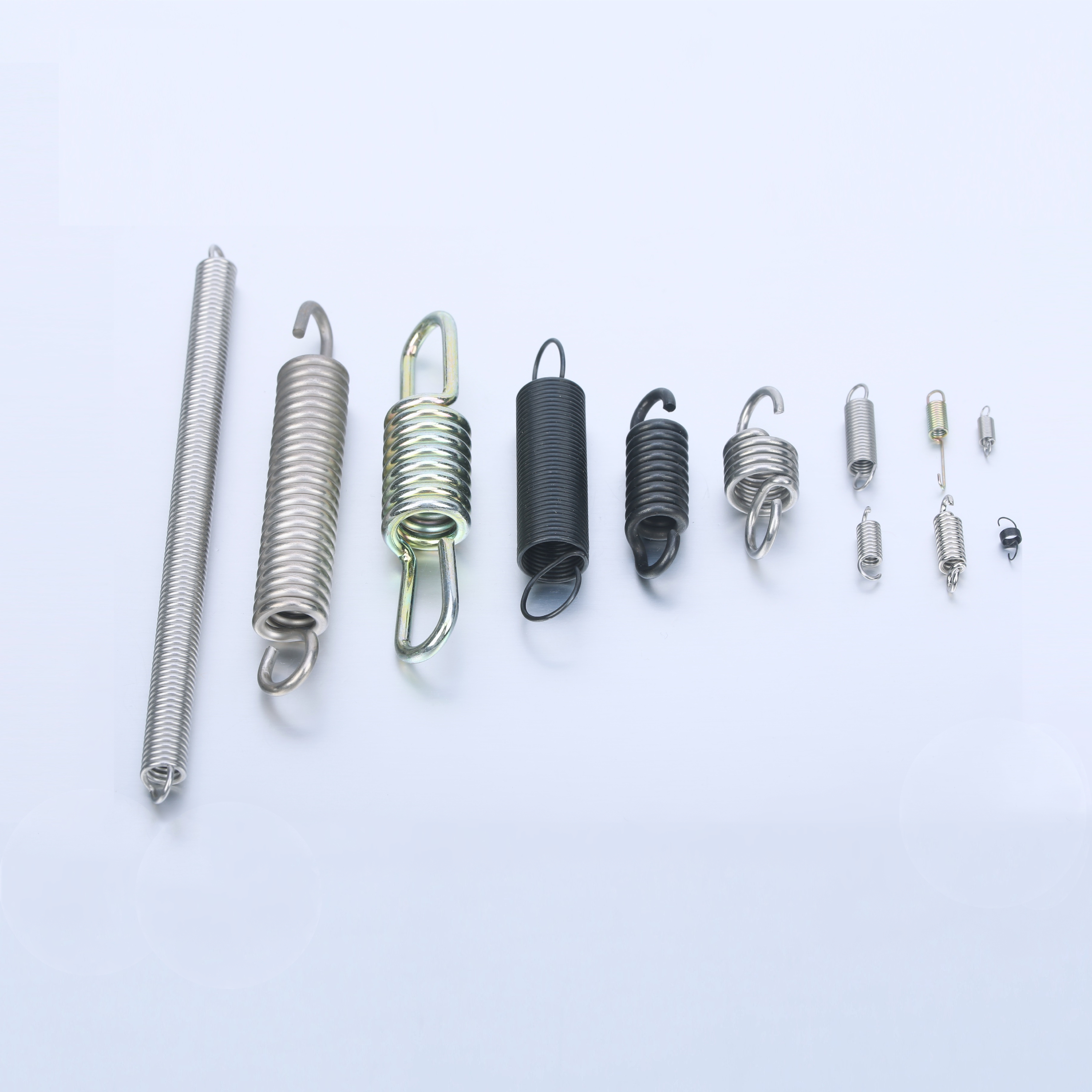
1. Identify Which Spring Specifications Have Changed
A design revision may affect a single dimension or several interconnected spring characteristics. Buyers should identify the exact changes before requesting a revised sample or production quotation.
Key parameters to review
- Wire diameter: A change can influence spring stiffness, load capacity, and available space.
- Free length and coil diameter: Revised dimensions may affect installation clearance and compression travel.
- Working load: Changes in required force may call for adjustments to the spring design.
- Material grade: Different materials may have different mechanical properties and corrosion resistance.
- Surface treatment: A new coating or finish requirement may affect dimensions, durability, and process controls.
At Heli Spring, we recommend providing the updated drawing alongside the previous revision. This allows the engineering team to identify affected parameters and clarify which requirements need additional verification.
2. Evaluate the Effect on Spring Performance
Changes to spring geometry cannot always be assessed independently. A smaller wire diameter, altered coil count, or different working height may affect the relationship between force and displacement. The revised design should therefore be checked against the actual operating requirements rather than dimensional changes alone.
Performance checks to consider
- Measure the load at the specified working height.
- Verify the spring rate and required compression travel.
- Check solid height and confirm adequate clearance within the assembly.
- Assess fatigue requirements for applications involving repeated loading.
- Review corrosion exposure and temperature conditions where relevant.
For example, a revised housing may reduce the available installation space. The spring supplier needs to evaluate the updated dimensional limits together with the required force and travel. Any proposed adjustment should be checked against the customer's functional criteria before the design is approved.
3. Manage Drawing Revisions and Engineering Approval
Uncontrolled design changes can create discrepancies between the parts being manufactured and the specifications used for inspection. A clear revision-control process helps purchasing, engineering, quality, and production teams work from the same approved information.
| Change type | Potential impact | Recommended review |
| Dimensional revision | Fit, clearance, and compression travel | Drawing review and dimensional inspection |
| Load requirement change | Force output and spring rate | Load testing at defined working heights |
| Material substitution | Mechanical properties and service performance | Material verification and applicable performance tests |
| Surface finish revision | Corrosion resistance and surface condition | Finish verification and relevant environmental tests |
| Manufacturing process change | Dimensional consistency and product quality | Process review and revalidation as required |
For automotive projects, the customer may also require an engineering change notice, updated inspection records, or a Production Part Approval Process (PPAP) submission. The required documentation depends on the customer's quality procedures and the nature of the change. We recommend confirming the approval scope before revised parts enter production.
4. Use Revised Samples to Confirm the New Design
A drawing review identifies potential concerns, but physical samples provide evidence of how the revised spring performs. Sample validation should focus on the characteristics affected by the change and any additional critical requirements defined by the customer.
A practical sample review checklist
- Confirm the part number and drawing revision.
- Measure the dimensions affected by the revision.
- Test the specified load and working height.
- Inspect material documentation and surface condition.
- Evaluate assembly compatibility and operating clearance.
- Record test results and obtain the required customer approval.
Heli Spring can review customer-provided specifications and discuss suitable sample evaluation requirements. Establishing acceptance criteria before testing helps both parties understand the evidence needed for design release.
5. Discuss Design Flexibility Before Production Release
Purchasing teams should also evaluate how a spring supplier handles engineering communication, revised drawings, sample requests, and production documentation. These capabilities matter throughout a vehicle program, particularly during prototype development and pre-production validation.
At Heli Spring, we encourage customers to share anticipated operating conditions, critical dimensions, material preferences, and any expected design revisions at the beginning of a project. Early communication gives us a clearer basis for reviewing manufacturing feasibility and identifying questions that need engineering attention.
Before authorizing a revised production order, buyers should confirm the approved drawing, required testing, documentation scope, and applicable change-control procedures. Any adjustment affecting product conformity should be reviewed and authorized through the agreed process.
Changing automotive design requirements do not necessarily require a completely new spring solution, but every revision deserves a structured technical review. Dimensional changes, load requirements, material specifications, and manufacturing processes can affect one another, making documented evaluation essential to reliable production.
At Heli Spring, we work with customers to review spring requirements, assess design revisions, and clarify the validation needed before production release. Contact our team through helispring.net to discuss your drawings, revised specifications, and customized spring development requirements.
Related products
If you are interested in our products, please consult us
CONTACT DETAIL
- Email: helispring@163.com
- Tel: +86-18767775615
- Address: Jinlu Industrial Zone, Beibaixiang Town, Yueqing, Wenzhou City, Zhejiang Province, China.
PRODUCTS
MOBILE TEMERNAL
Wenzhou Heli Spring Manufacturing Co., Ltd. ALL RIGHTS RESERVED.

China Customized Spring Manufacturer